The Ultimate Guide to Smallmouth Bass Fishing

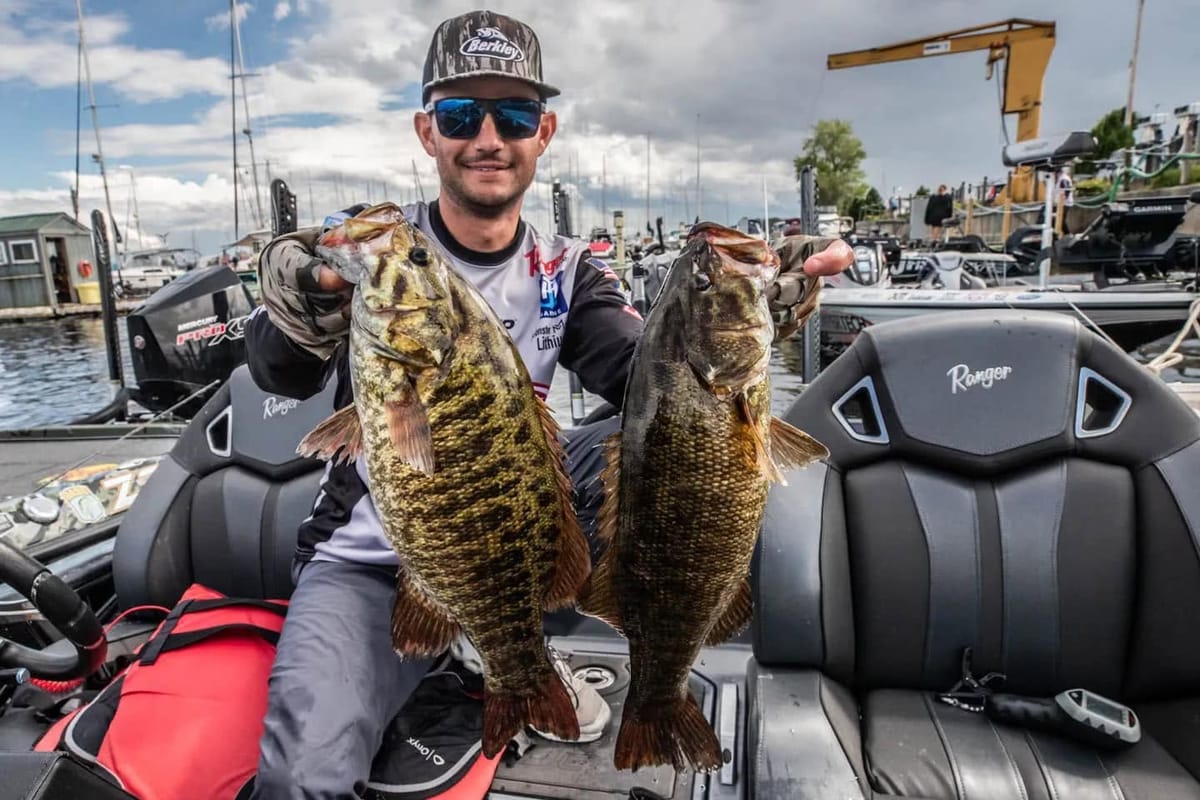
The Smallmouth Bass (Micropterus dolomieu) is one of the most aggressive freshwater game fish in North America. Known as Smallies, Bronze Backs, or Brown Bass, they are prized for their explosive strikes, aerial fights, and relentless battles at the end of the line.
Unlike largemouth bass that often rely on vegetation, wood, and shallow cover, smallmouth bass are built for clear water, rocky environments, and open-water hunting. They thrive in lakes, rivers, and reservoirs where they use rock, current, and depth changes to position themselves and ambush prey.
Catching smallmouth consistently takes more than finding a rocky shoreline and throwing a lure. You need to understand why they choose certain areas, how their behavior shifts with changing conditions, and which tactics work best throughout the seasons.
This guide will help you learn more about smallmouth bass and the data-driven strategies that will help you find more productive water.
Understanding Smallmouth Bass Behavior
Smallmouth bass are aggressive predators, but they are rarely random. Unlike largemouth bass that often position around heavy vegetation or wood cover, smallmouth use rock, current, and depth changes to hunt efficiently while conserving energy.
They don't simply roam aimlessly. They position themselves where conditions allow them to feed effectively while staying close to areas that provide safety.
Their feeding aggression, positioning, and strike zone expand or contract based on a few key environmental factors:
- Water clarity
- Water temperature
- Depth
- Current
- Wind
- Structure
- Forage availability
- Seasonal patterns
Smallmouth are especially influenced by their surroundings because many fisheries have clear water where fish can use their eyesight to hunt. Understanding these conditions is the key to consistently finding active fish.
The Water Clarity Factor
Water clarity is one of the biggest behavioral triggers for smallmouth bass. It dictates how they hunt, how far they will move to strike, and what presentations will trigger bites.
Clear Water: Smallmouth become visual hunters. Their strike zone often expands because they can track prey from farther away, but they also become more cautious. Natural colors, realistic presentations, and lighter fluorocarbon line can make a major difference when fishing clear water.
Stained Water: Reduced visibility gives smallmouth more confidence to feed aggressively. They often move shallower and position around wind-blown shorelines, rocky banks, and current areas where reaction baits can trigger bites. Vibrating jigs, spinnerbaits, crankbaits, and moving presentations become more effective when fish rely less on sight.
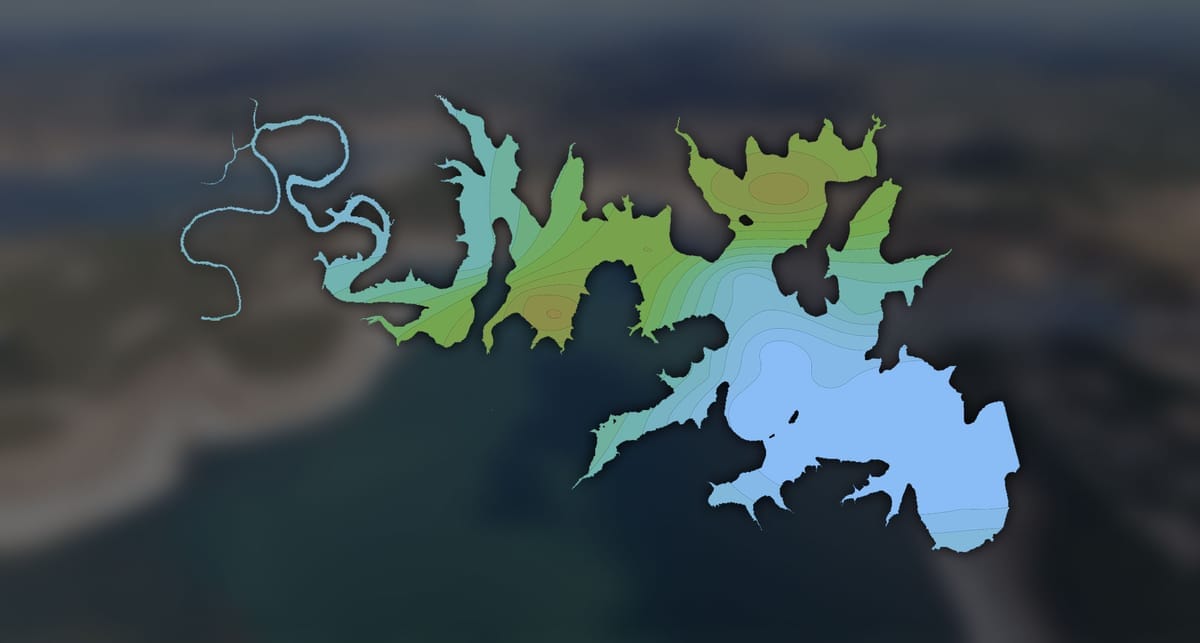
Depth Changes & Smallmouth Positioning
Smallmouth bass are constantly adjusting their depth throughout the year. Unlike fish that may stay tied to one piece of cover, smallmouth often move between shallow feeding areas and deeper water depending on temperature, light conditions, and available forage.
Depth changes create underwater highways that allow smallmouth to feed efficiently while staying close to safety.
Look for:
- Points that extend into deep water
- Ledges and drop-offs
- Offshore humps
- Saddles between structure
- Steep channel breaks
During bright conditions, smallmouth may move deeper or suspend around offshore structure. During low-light periods, wind, or feeding windows, they often move shallower to hunt.
Current & Oxygen Levels
Smallmouth bass thrive in cooler, oxygen-rich environments. As water temperatures rise, they seek out areas where conditions remain comfortable and where food is naturally concentrated.
In lakes and reservoirs, this often means deeper offshore structure, wind-swept shoals, rocky points, and areas influenced by cold-water inflows. These locations provide oxygen, attract baitfish, and give smallmouth opportunities to feed efficiently.
In rivers, current creates a natural feeding system. Smallmouth often position behind boulders, along current seams, and in eddies—areas where faster water meets slower water. These spots allow them to conserve energy while waiting for insects, crawfish, and baitfish to drift within striking distance.
Understanding how smallmouth use oxygen and current is key to finding active fish, especially during the warmer months when water conditions become more challenging.
The Wind-Driven Feeding Window
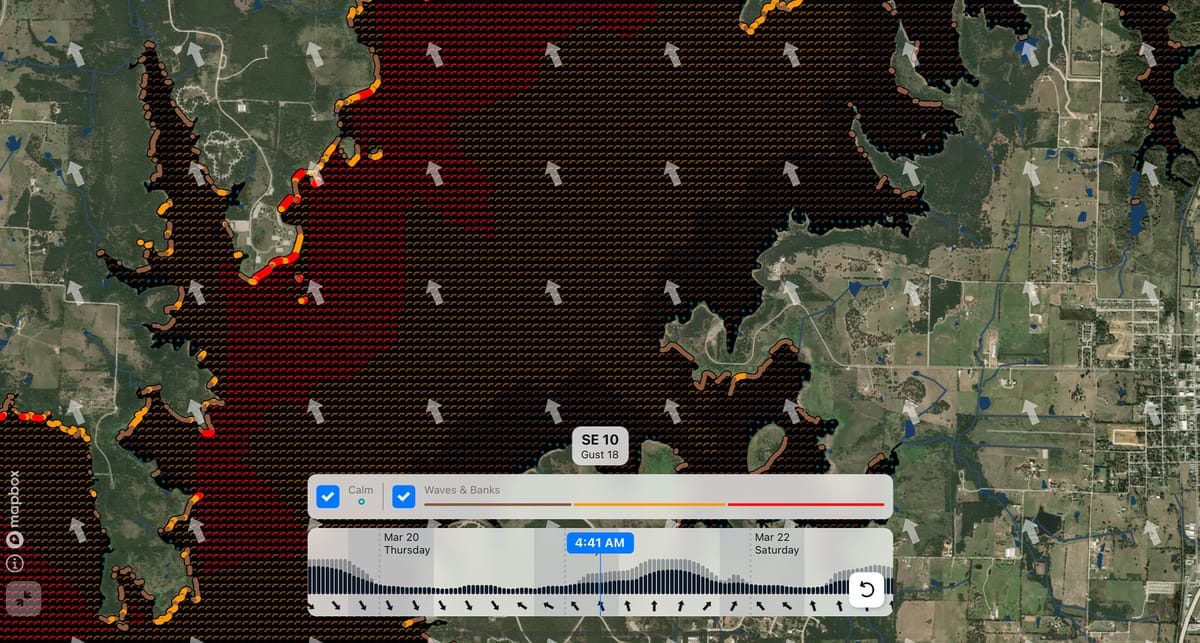
When wind pushes across a lake, it creates a chain reaction that concentrates feeding opportunities. It moves plankton, which attracts baitfish, which brings predators into the area. Wind also breaks up surface visibility, making smallmouth less cautious and more willing to roam away from structure.
Because smallmouth are visual hunters, wind can be especially important in clear-water fisheries. A little surface disturbance can give them the confidence to feed more aggressively and chase moving baits they may ignore on calm, sunny days.
The best wind-blown areas usually combine multiple advantages:
- Rocky shorelines that collect baitfish
- Points that funnel water movement
- Shallow flats near deep water
- Offshore structure exposed to wind
The key is not simply finding wind. It is finding where wind is creating a feeding opportunity.
Smallmouth Bass Habitat
Smallmouth bass are found throughout clear lakes, rivers, and reservoirs across North America. Unlike largemouth bass that often rely heavily on vegetation and wood, smallmouth are most closely associated with rock, depth changes, and current.
They thrive in environments where they can move between feeding areas and deeper water while using structure to ambush prey.
To find the most productive water, look for these key elements:
- Rock & Hard Bottoms: Smallmouth are strongly connected to rocky environments. Gravel, chunk rock, boulders, and reefs provide habitat for crawfish and create natural feeding areas. Rock also absorbs heat during cooler periods, making it especially important during spring and fall transitions.
- Points & Depth Transitions: Points are some of the most consistent smallmouth locations because they connect shallow feeding areas with deeper water. The best points often have rock, current, wind exposure, or nearby baitfish activity.
- Offshore Structure: During warmer months, many smallmouth leave the shoreline and move offshore. Humps, ledges, submerged reefs, and isolated rock piles become key areas because they provide depth, cover, and access to forage.
- Current Areas: Rivers, creek mouths, and inflows create natural feeding zones by bringing oxygen and food into the system. Smallmouth often position along current breaks where they can feed without wasting energy.
Pro Tip: Look for "Transition Zones"—areas where the bottom composition changes, such as soft mud transitioning into gravel or small rock transitioning into larger boulders. These boundaries create natural feeding lanes because they often concentrate crawfish, baitfish, and other forage. Smallmouth frequently use these edges as highways, moving along them while searching for their next meal.
Smallmouth Bass Food Sources
Smallmouth bass are aggressive predators that thrive around rocky environments where some of their favorite prey species live. While they will eat almost anything they can overpower, their diet is strongly influenced by the forage available in each fishery.
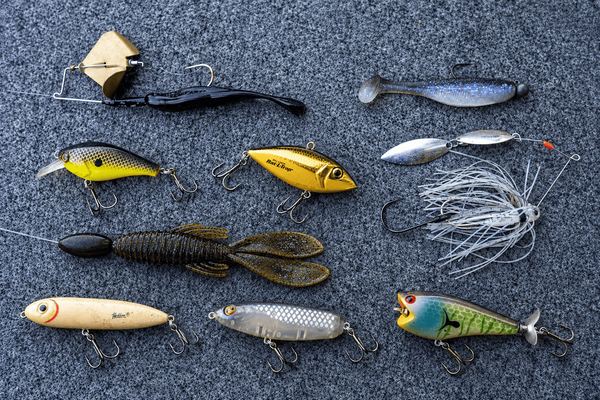
- Crustaceans: Crawfish are one of the most important smallmouth food sources. Because crawfish thrive around rocky bottoms, they are a major reason smallmouth consistently relate to gravel, boulders, and hard structure. Tube jigs, football jigs, and craw-style plastics are effective because they imitate one of their primary prey sources.
- Baitfish: Shad, alewives, smelt, minnows, and other small fish make up a major portion of a smallmouth's diet, especially in clear-water lakes and reservoirs. When smallmouth are chasing baitfish, swimbaits, jerkbaits, crankbaits, and topwater presentations can trigger aggressive feeding responses.
- Bottom-Dwelling Forage: In many northern fisheries, smallmouth feed heavily on bottom-dwelling species like round gobies, sculpins, and darters. These prey species keep smallmouth closely connected to rock and deeper structure, making bottom presentations like drop shots, Ned rigs, and small swimbaits highly effective.
Matching the local forage is one of the fastest ways to increase bite quality. The best presentation is usually the one that looks and behaves like what smallmouth are already feeding on.
Seasonal Strategies
- Smallmouth bass are constantly adjusting their location throughout the year. Their relationship with water temperature, forage, and habitat changes with the seasons, which means the best areas to target can look completely different from one month to the next.
Understanding these seasonal movements is one of the biggest keys to consistently finding active fish.
- Spring (The Spawn): Smallmouth transition from deeper winter areas toward shallow gravel flats, rocky shorelines, and protected spawning areas. They often seek out locations that warm quickly and provide the right bottom composition for spawning. Focus on points, flats, and transition zones where fish can move between shallow and deep water.
- Summer (Deep Water & Offshore Structure): As water temperatures rise, smallmouth often leave shallow areas and move offshore. They seek cooler, more stable water around reefs, humps, ledges, and deep points. Current, wind, and baitfish activity can make these areas even more productive.
- Fall (The Feed): Cooling water triggers aggressive feeding as smallmouth prepare for winter. They often follow baitfish toward rocky flats, points, and river mouths. This is one of the best times of year to target them with moving baits because fish are actively chasing forage and covering water.
- Winter (Conservation): As metabolism slows, smallmouth become less active and group together in deeper, stable areas. They often position around steep breaks, offshore structure, and locations that provide easy access to food without requiring much movement.
Weather & Best Times to Catch Smallmouth Bass
Smallmouth bass respond to more than just structure—they react to sunlight, wind, temperature changes, and weather patterns that influence their comfort and feeding behavior.
Because many smallmouth fisheries feature clear water, weather conditions can have an even greater impact on how aggressively fish feed. Bright, calm conditions can make them cautious, while wind and cloud cover can give them confidence to roam and chase prey.
Knowing how these conditions influence smallmouth behavior can help you plan your trips around the periods when fish are most likely to be active:
- Temperature: Water temperature drives smallmouth movement throughout the year. Warming trends in spring and cooling trends in fall can trigger major feeding periods and seasonal migrations.
- Feeding Windows: Sunrise, sunset, moon phase, and seasonal patterns help identify when smallmouth are most likely to feed. Low-light periods often allow them to move shallower and hunt more aggressively.
- Wind: Wind direction, speed, and duration can concentrate baitfish around rocky shorelines, points, and offshore structure. Wind can turn otherwise average areas into high-percentage feeding zones.
- Pressure: Changing weather systems can influence smallmouth activity. Approaching fronts can create feeding opportunities, while sudden weather changes may slow fish down temporarily.
- Chance of Rain: Rain can change fishing conditions by adding current, cooling water temperatures, and introducing fresh nutrients into rivers and reservoirs. Inflowing water can create temporary feeding opportunities as smallmouth respond to increased forage activity.
How to Use Deep Dive to Catch More Smallmouth Bass
Smallmouth fishing is often a game of elimination. With fish constantly moving between shallow and deep water, following forage, and responding to changing conditions, finding the right areas can be the biggest challenge.
Deep Dive helps you uncover the factors that influence smallmouth positioning by combining lake conditions, weather data, and historical patterns. Instead of spending hours searching unproductive water, you can quickly identify areas where clarity, wind, structure, and forage come together.
Water Clarity Map
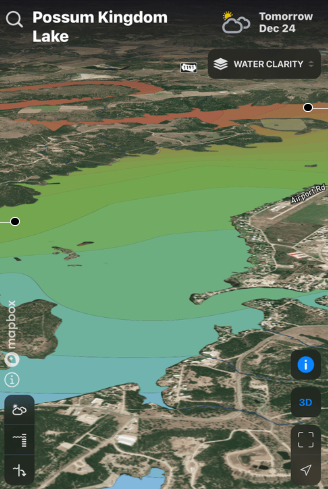
Because smallmouth are visual predators, clarity affects how they hunt, how deep they position, and how far they will move to strike. In clear water, they can see prey from farther away but often become more cautious. In stained water, they are more comfortable moving shallow and chasing active presentations.
Wave Impacts Map
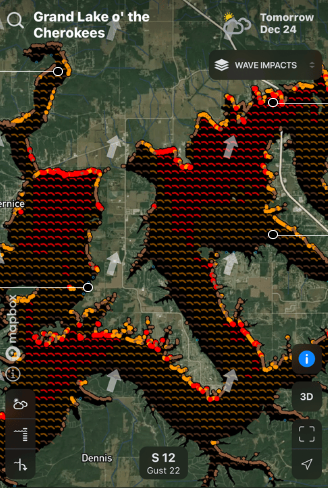
When waves push against a shoreline, they concentrate baitfish, increase oxygen levels, and create conditions that make smallmouth more willing to roam and feed. This is especially important in clear-water fisheries where a little surface disturbance can make fish less cautious.
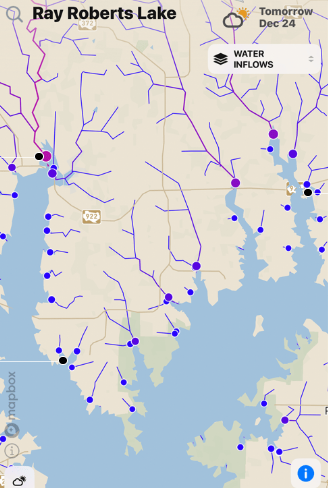
Water Inflows
Creeks, rivers, and drains bring fresh oxygen, nutrients, and forage into the lake. These inflows can create current, concentrate baitfish, and attract smallmouth looking for an easy feeding opportunity.
Deep Dive helps you identify where water is entering the lake so you can target areas where current and forage are naturally concentrated.
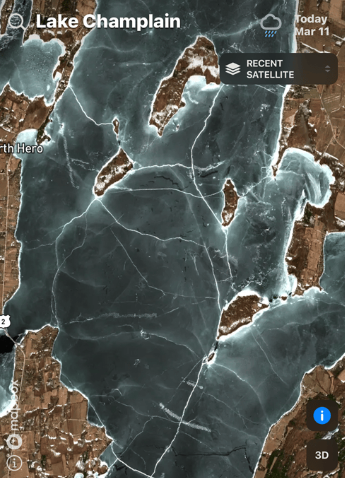
Recent Satellite
Many of the best smallmouth locations are hidden beneath the surface.
Smallmouth often relate to subtle changes in the lake that are difficult to see from the boat, including rocky points, offshore reefs, shallow flats, and transitions between different types of bottom structure.
Deep Dive uses recent satellite imagery to help you identify these areas before you ever launch, giving you a better understanding of the lake layout and where smallmouth are likely to position throughout the year.