How a Slight Ripple Can Trigger More Bites

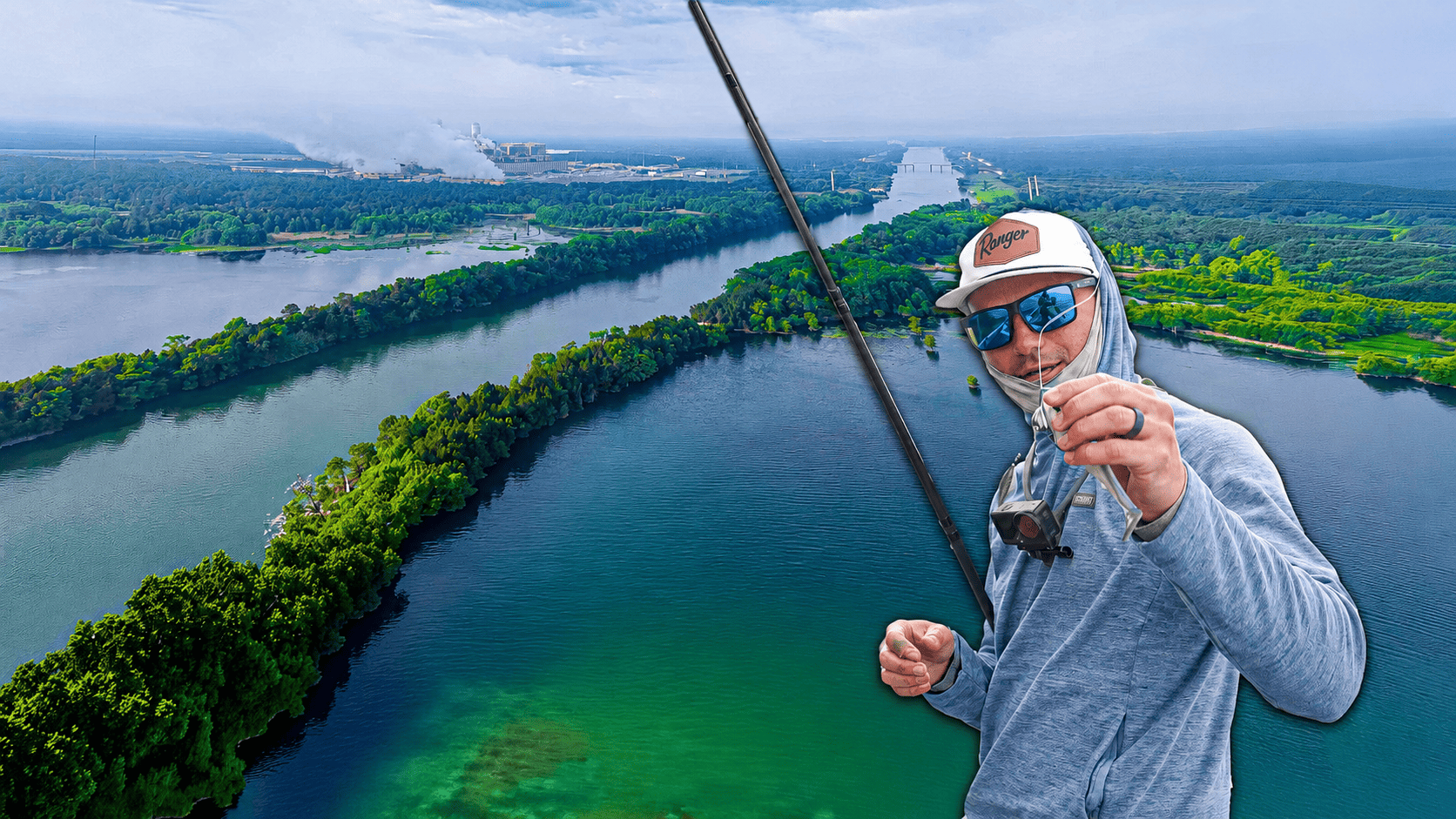
Just a little ripple. The tiniest bit of breeze. I’m talking about a hint of wind.
These are the words bass anglers use to describe the amount of air needed to ruffle up a glassy calm water surface to help mask an artificial lure.
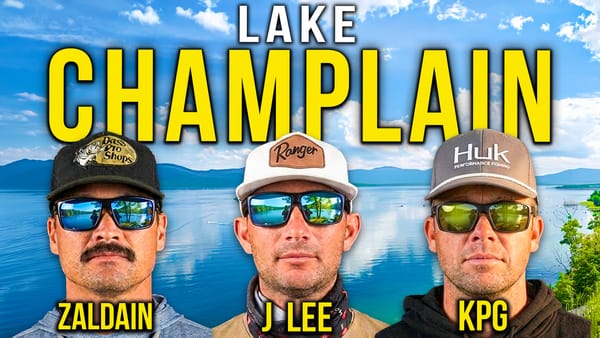
Elite Series pro Jordan Lee has fished wind-generated patterns all his life. He likes wind patterns because wind is always changing in speed and direction, which keeps productive areas shifting around day to day.
“I’ve fished wind my whole career,” Lee recalls. “I usually look for a pretty healthy wind, steady enough to deliver a bit of chop. But over the last few years, I’ve learned how even the slightest ripple can make bass more susceptible to biting, especially in clear water situations.
“It’s all relative, but once you get into the summer doldrums and lakes become slick, that’s when just a small, consistent ripple can be a huge advantage.”
Wind Made the Difference at Lake Murray
This year at the Bassmaster Elite Series on Lake Murray in May, Lee experienced a situation that was an example of just how little of a ripple it takes to help convince a bass to bite a lure.
During the event, Murray’s water color was exceptionally clear. On the second day of the tournament, Lee caught a large limit of bass weighing 26 pounds, 5 ounces off of one point with the help of consistent wind and clouds.
“It was a great point,” he explains. “It had some special features on it that held a lot of fish. The day I caught the big bag, the wind was blowing right up on the point, so it set up perfectly.”
However, when Lee returned to the productive point the next day, the wind was gone. The wind direction had shifted 180 degrees, putting Lee in the lee, so to speak.
“The fish were still there; I could see them,” he adds. “But they had gotten smart – real smart. They would chase, swirl, and nip at my lures. They had been pressured, and with the slick conditions, they could see really well. No matter how finessey I got with my lures, they would just toy around with my baits and not really commit.”
Once the bass wised up, Lee had to spend the rest of the day hopscotching around, cherry picking backup areas that had wind to salvage his day. He was biding his time, hoping that the final day would bring blusterier conditions to reactivate some of his best points.
However, the last day dawned sunny and slick – one of those doldrum days. The low light of the morning provided a few early keepers, but once the sun got high, the bass had the advantage of identifying impostors.
“Everything came to a standstill,” Lee recalls. “The wind, the clouds, the bite, the activity – it all died off really quickly. I just wasn’t feeling it. I was in a bind, for sure. I knew I needed wind, but there simply wasn’t any. I was fishing the upper half of the lake, and as far as I could see, it was glass calm.
“I couldn’t believe that there was absolutely no wind on all of Lake Murray. So I pulled up Deep Dive’s wind map (Wave Impacts tool) to see if there was a chance of wind anywhere on the lake.”
How Deep Dive's Wave Impacts Found the Bite
The map indicated there was a light breeze of about 5 mph, but where Lee was fishing, the wind was stymied by the banks, islands, and shoals. There was no fetch long enough to gather the wind. However, down towards the dam, that same light breeze was blowing across a much longer main-lake fetch, straight into a large creek at the dam. The map’s wave indicators were showing a degree of wave collection where the long fetch terminated into the creek.
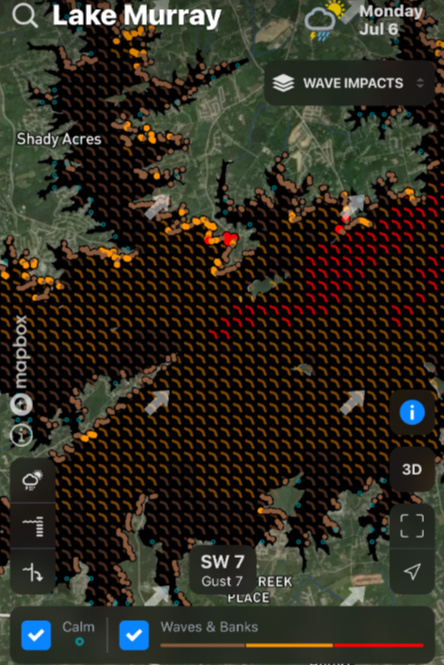
“What intrigued me was that it looked like this big creek was basically catching all the wind coming from the main body of the lake,” Lee says. “The only problem was I had never fished down on that section of the lake; I wasn’t familiar with it at all. But I needed wind to restore my confidence, so I pulled up the stakes and went to fish totally new water on Championship Day.”
Upon arriving to the new area, Lee was pleased to find the banks being tickled with ripple.
“It wasn’t the kind of wind I had been working with earlier in the week, but it was much better than slick calm,” Lee says. “It was just a ripple, but it was enough to blur the lines for the fish, so they weren’t so smart. I could visually see the points that were catching the most wind, and that’s where I started getting bites.”
Lee ended up bagging 19-5 on the final day by fishing new water and keeping up with the wind on Deep Dive’s Wave Impacts graphic.
“Just a few years ago, I would have never known there was a ripple to be had on Murray,” he says. “I would have assumed the whole lake was still with no wind. But seeing that breeze building along the lower half of the lake on the app gave me the spark I needed to go down there and check out a possible new option, and it worked.”