Best Baits to Throw in July

July is a month of contradictions in the underwater world of bass fishing. The factors that help and hinder fish catching are going in opposite directions.
For instance, the water temperature is rising to the warmest levels of the year. A bass’ metabolism is now much higher than it was in the colder months. With that, bass need to eat more often to match their metabolism. But at the same time, by July, bass have been throttled by fervent anglers all spring. Fishing pressure is now real! More anglers plus super technology equals educating fish faster than ever before. If you fish on a popular tournament lake, chances are the fish you’re fishing for have already been pierced a couple of times this year. So, you have bass that need to eat more, which should mean more bites, but they are also very smart because they’ve seen lures aplenty.
Post-Spawn Bass Behavior
By July, most bass are also post post-spawn – as in, well beyond the actual post-spawn stage. That aggressive, reactive streak they had when defending nests, eggs, and fry is not as pronounced. That post-spawn jubilee period of feed-bagging on spawning shad, herring, perch, and bream has cooled off. Certainly, bream and bluegills are still spawning until late summer, but the combined forage spawn crescendo is mostly over.
With the intense daytime heating of July, plankton blooms occur, and the water columns begin to stratify. Bass forage is not as bunched up tight as it was in May and June. Instead, their forage has spread out in more of a migratory mode, moving daily to find more fertile water.
July brings those dreaded summer doldrums as well. Long periods of hot weather sit over the eastern part of the country. The good news is, this makes bass very conditional, especially to current generation, daily thunderstorms, and shade.
Putting all this together, July bass are hungry but timid and conditioned to certain rhythms of current and weather.
The Coike Urchin Lure
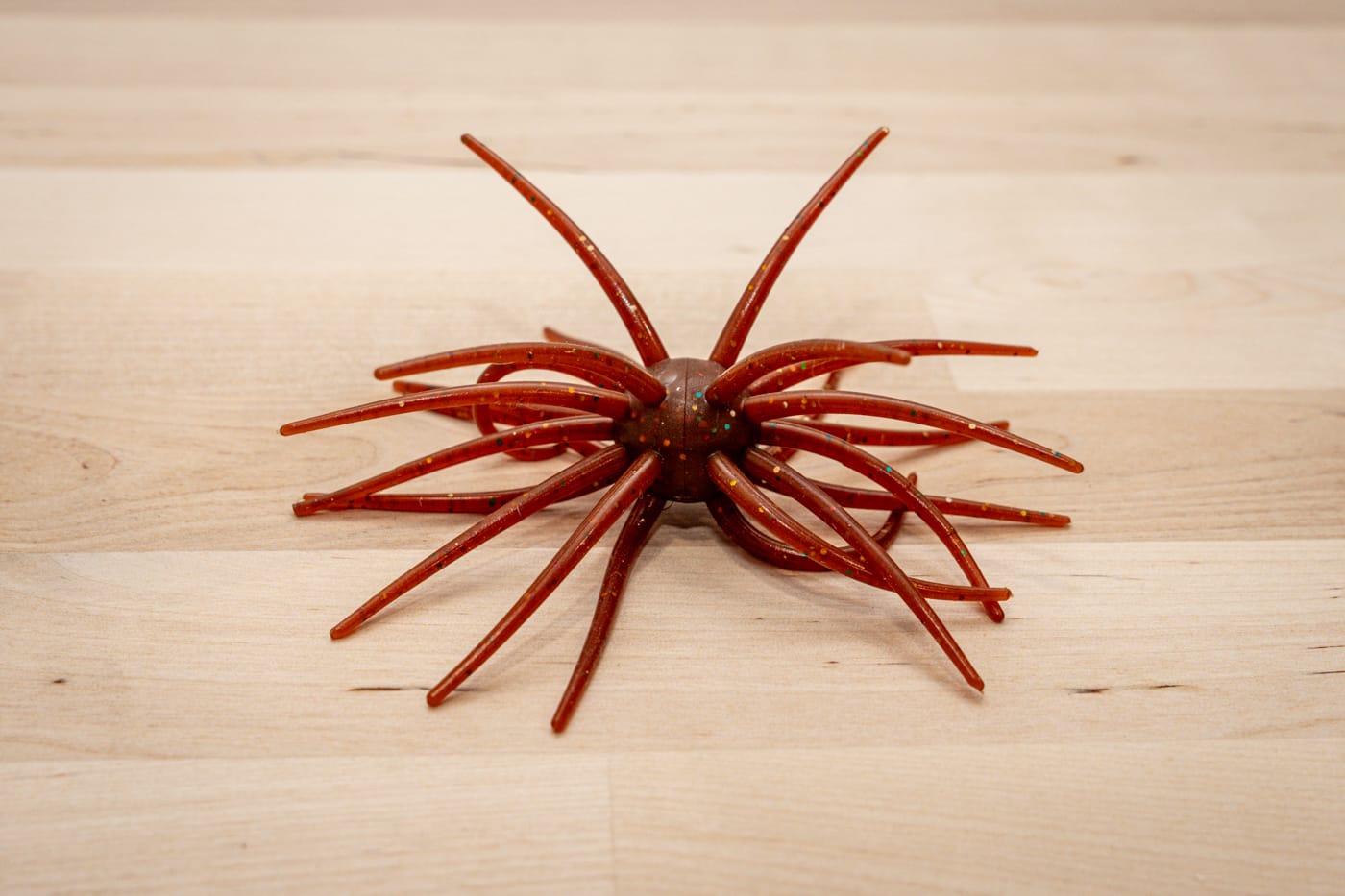
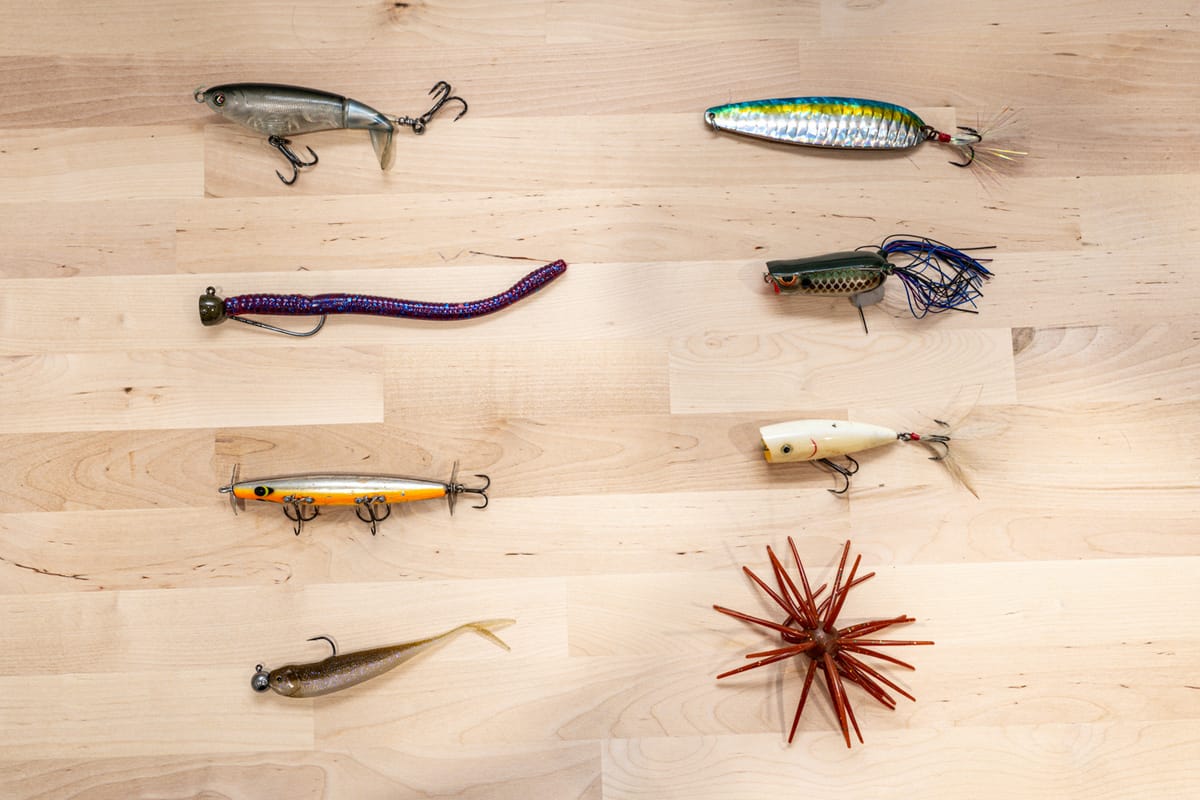
But before getting into the more traditional lures for July, at this point, it’s only appropriate to recommend anglers tie on the newest rage bait: an urchin, the lure that is wrapping the entire bass fishing world up in its tentacles. Just get one, put a hook through it, and cast into any water where bass live – it’s that simple!
Seriously, it’s been a long time since a “magic lure” has wowed the bass fishing industry like the Coike, urchin, tentacle bait – whatever you want to call it. Over the last year – and especially the last six months – the urchin bait has been a true silver bullet in bass fishing. I’m sure that trend will continue well into July and August.
The urchin rage is now on par with other iconic bass-catching sensations like the Senko, Chatterbait, and Alabama Rig to run the table in the bass lure market for quite a while.
Urchins are still “new” to most bass, so if you can be an urchin pioneer on your lake, chances are good you will catch a lot of fish on it before others do. With each passing week, a bevy of new videos appears on YouTube on how to rig it, how to fish it, and where to throw it. The tentacle tempo is just starting, and there is no right or wrong to it. I know plenty of anglers who have tied on a 2/0 straight shank hook, threaded a Coike on it, flung it out to a piece of cover, and caught bass. If you have never experienced a magic lure, this one is as close as it gets right now.
Topwater Lures
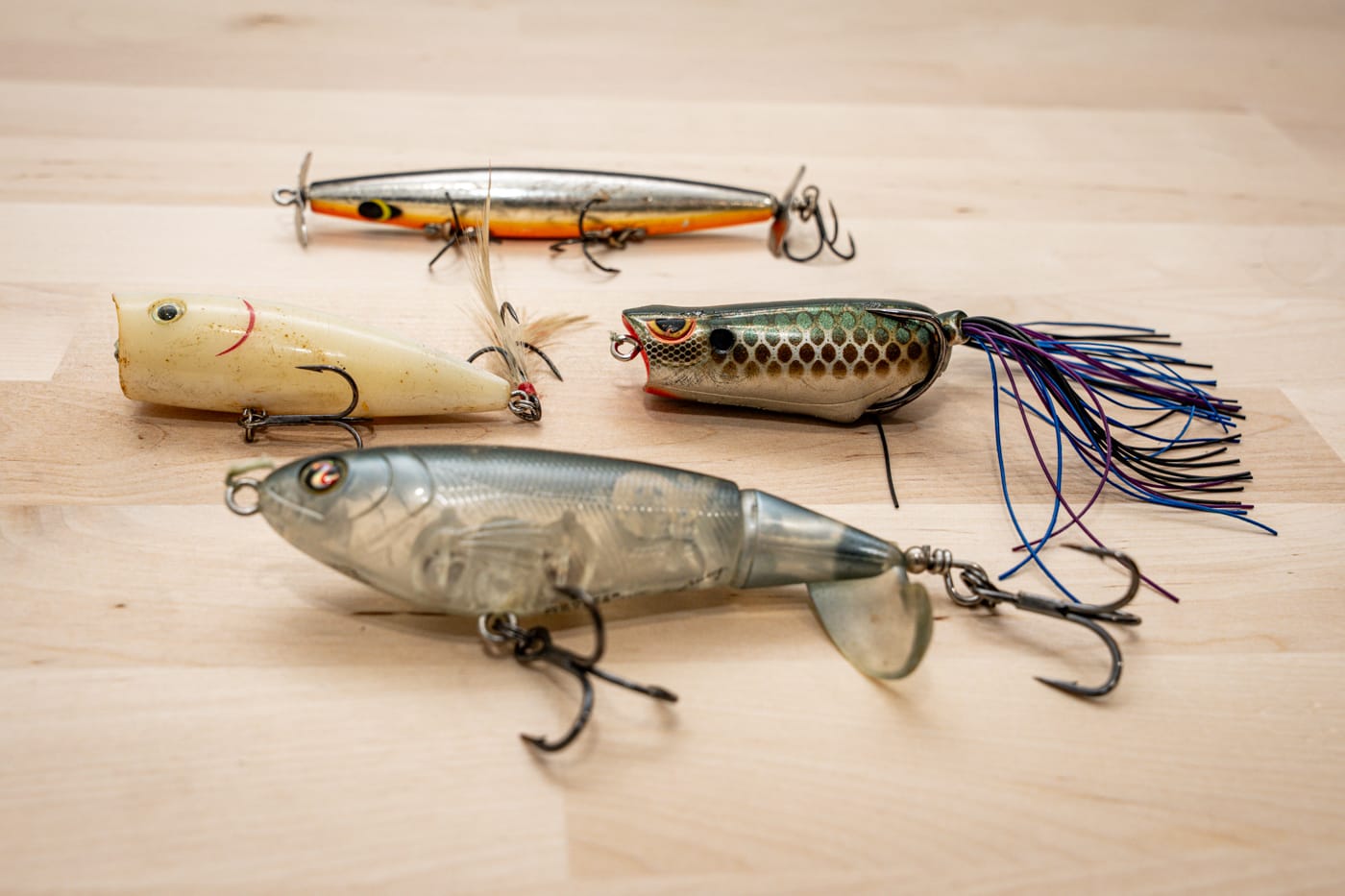
No matter how hot it gets, topwaters will always be summer staples. Obviously, early morning and evening are key times for surface lures. But topwaters can also play when the sun is at its highest point in the sky, and shady real estate is at a premium. When shade tightens up, it forces shady bass into obvious spots: small main lake pockets, under catwalks, overhanging trees, or brush along residential shorelines.
In the southeast, bream will spawn all the way into August. Bass will “wolfpack” together and cruise down shallow banks, marauding bream as a team. If a topwater gets in the way of this melee, it gets smashed. Topwaters choices for shade and bream beds include poppers, prop baits, and hollow-bodied frogs. A Whopper Plopper is also a fantastic shade bait. Gurgling a Plopper along shade lines is a great bite window in the heat of summer. Ironically, the speed at which a Plopper moves seems to set up that it’s-going-to-get-away reaction bite from shade bass.
Offshore Lures
Offshore fishing is a staple during the hottest months. This makes current king in the summertime. In July, bass become more attuned to the current generation than the officials who run the dams. Keep close tabs on the current generation with Deep Dive’s Generation Releases and Outflow History tools. Once a dam gets into a release rhythm for the summer, the bass in the reservoir set their feed schedule by it. Many reservoirs run current in late afternoon into the nighttime hours, making afternoon and evening derbies popular in the summer. Bass get so conditioned to generation, sometimes the bass show up for the feast before the current even gets rolling good.
The biggest problem with current is that it usually only happens for a small portion of the day, and sometimes generation is only done at night. That leaves a lot of fishing time that is basically low to no current – and that’s when July bass fishing gets tough.
When the current shuts off, large current-driven ledge schools break up into smaller schools and relate more to cover, such as stumps and brush piles, where they lay up and wait for the next all-you-can-eat buffet. This is when it takes some trickeration to get bites.
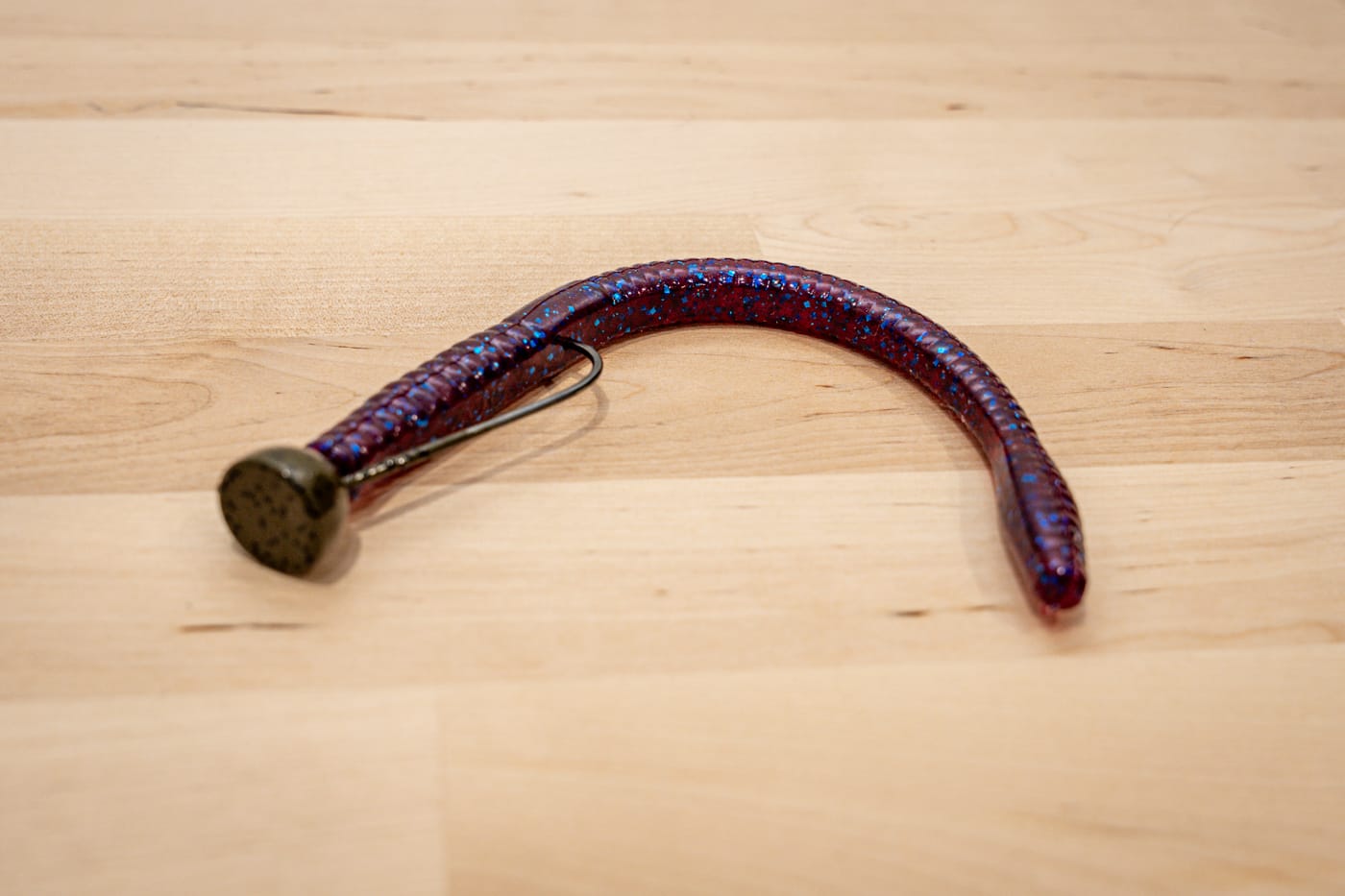
Modern-day sonar wizards can target these individual fish with minnows. Long-feathered hair jigs, or preacher jigs, are also a more subtle presentation for stubborn offshore fish when the current is low. Dropping natural-looking plastics on a drop-shot will fool bass on scattered cover. A 7- to 8-inch straight-tail worm on a larger 3/8-ounce shaky head is another option for summer bass. Dragging a Carolina-rigged creature bait is a good way to cover ground when fish flatten out on the bottom.
If bass are not moving at all, ripping a 4- to 6-inch spoon up over cover still works to get fish to at least move or rise in the water column to break their slumber.
And if all else fails, get that rage bait urchin out, experiment with it, and have fun. It’s not that often that a new bait comes along that bass have never seen. And July is certainly the time to see just how good that new lure can be.