Fall Bass Transition: Key Factors and Early Signs

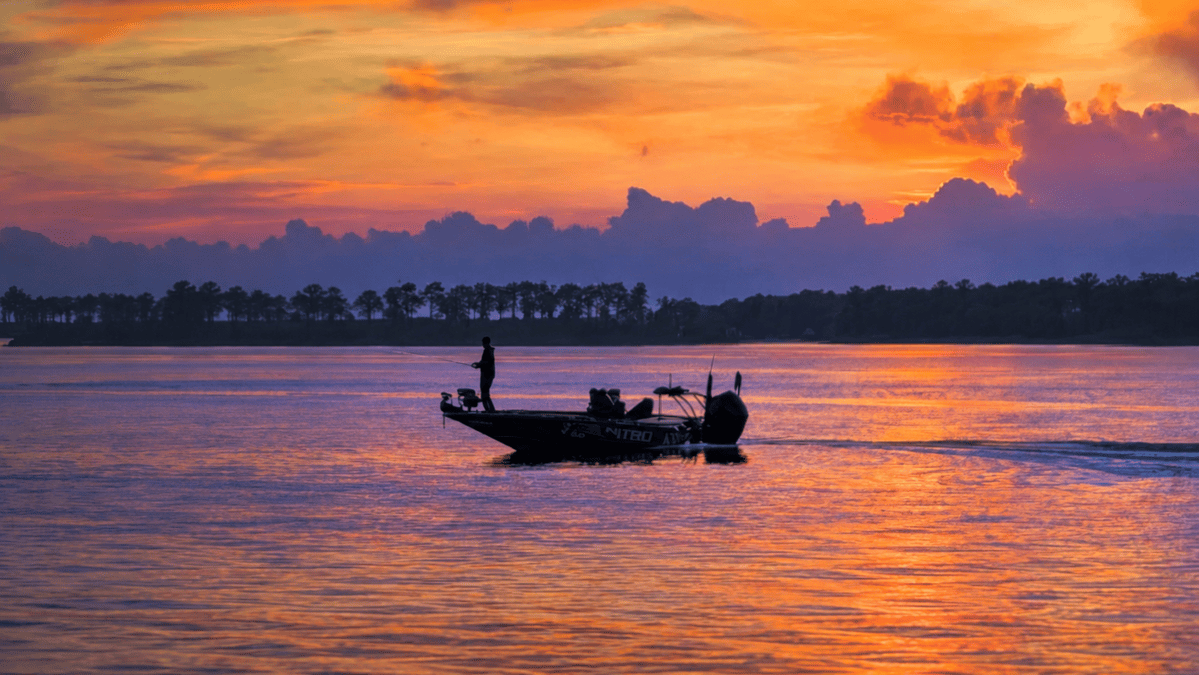
Back in the 90s, bass fishing was more of a spring and summer activity. Anglers rigged rods and rolled the boat out of the garage in February or March to begin the bass fishing season.
The four seasons of bass fishing were prespawn, spawn, post-spawn, and summertime ledge fishing. Once the searing heat and tough summer bite took over in July and August, boats went back in the garage, and kids went back to school. By September, the calendar quickly filled with fall activities like football, hunting, and the holidays. Basically, September to February was a bass fishing void. Sure, some people still fished, but the lakes were fairly empty then.
These days, that’s changed. With the explosive growth of tournament bass fishing over the last 20 years, and the advent of powerful electronics, popular tournament lakes get shelled 12 months a year, especially in the South. Now, August through December has become the new spring in bass fishing.
Since then, a lot has been discovered about fall bass behavior. This time of year has always been a bit mysterious, but now we know far more about what bass do in the fall than we did in 2000. From that came the concept of the “fall transition”
But what exactly is the fall transition, and when does it happen? After all, it’s a long time between August and February.
What Is the Fall Transition in Bass Fishing?
The fall transition is basically the time between the summer post-spawn feedbag and the fall turnover, which leads into winter. June brings the last rally of great fishing as bass gather up in large schools, marauding shad or herring offshore or on a good ledge bite. But by July and into August, the water temperature skyrockets, water stratifies, and the huge bait schools break up.
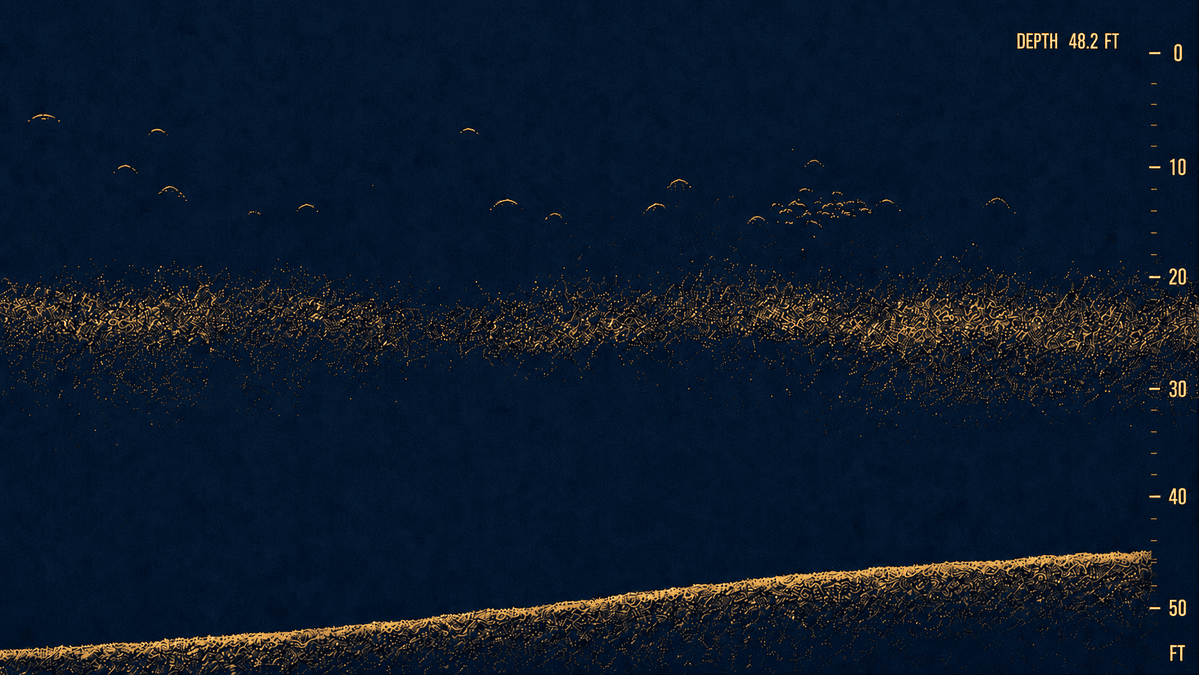
If a thermocline sets up, bass will stay above it, which compresses their living quarters. For more details read How to Find and Fish Thermoclines for Bass. During this time, bass become more independent and nomadic. They don’t have a biological urge pushing them into specific behaviors, like spawning or protecting. Their goal is to stay comfortable and stay fed. If the food source is shad or herring, bass will roam more. If that food source is more stationary, such as bream, crawfish, or even frogs, bass will have a smaller home range.
This is why August and September are considered such a junk fishing time of year. Bass might roam the abyss over 50 feet, but they will be suspended above the thermocline. To find bass on cover, that cover should be above the thermocline. In the same lake, wolf packs of bass may lurk around in shallow water, trapping bream in pockets and against seawalls. Another option during this time is to fish far back in creeks, where a cool flow of water is constantly housing a resident group of bass. Bass can be scattered, doing so many things this time of year.
Early Signs of the Fall Transition
The fall transition can begin long before a significant drop in air temperatures. Several environmental changes can signal that a lake is already starting its transition.
Shortening Daylight Hours
The first marker of the fall transition begins with the shortening of daylight hours. The summer solstice is around June 21, when daylight minutes per day begin to shrink. At first, the days don’t seem shorter. It usually takes about 60 days to lose one hour of daylight. By August, the sunlight penetration that heats the water and supports photosynthesis for plants and algae is impacted. Also, the water surface temperature might drop a couple of degrees in the morning. So, around mid-August, waning daylight hours point to the beginning of the transition.
Falling Water Levels
Next up are water levels. Lake drawdowns begin as early as July to as late as November across the South and Midwest. Bass are conditional creatures, so drawdowns are likely another indicator of a fall transition for them. Many of the shallow flats where young-of-the-year shad have been hiding dry up. The small shad get pulled off the bank out into open water, and the bass know it.
Changes in Vegetation Growth
In places like Florida, where natural lakes are not drawn down on a schedule, changes in vegetation growth signal impending fall transition. When vegetation is no longer getting enough sunlight to keep its hungry stems fed, it turns a different color. Instead of bright green, it will suddenly get darker and thinner as it essentially chokes itself out.
Eroding Thermoclines
Eroding thermoclines are another harbinger of fall transition. Keep an eye on thermoclines with your electronics. It might still feel like summer, but if the thermocline is withering away, it’s a sure sign fall transition is already underway. This is when bait, namely shad, begin to migrate towards the bays, basins, and creeks.
At this point, it can still be mid-August or September, and the air temperatures can still be bumping 100 degrees. But if daylight is waning faster, water levels are dropping, water temperatures drop a few degrees, or vegetation has topped out, a lake is already starting fall transition even before a significant drop in air temperatures.
Cold Fronts and the Fall Turnover
The crescendo of the fall transition happens with the first one or two true cold fronts, bringing clouds, north winds, cooler rain, and dropping nighttime temperatures into the 60s and high 50s.
Once water temperatures drop into the low 70s, stratified water begins to mix quickly. The thermocline completely collapses, triggering the fall turnover.
But the fall transition doesn’t happen overnight, and it doesn’t wait for the calendar. Anglers who recognize the early signs can stop fishing where the bass were and start focusing on where they’re going.