Best Baits for September

September is certainly a big transition month in bass fishing, but the first couple of weeks can seem like just a continuation of August. Sometimes the doldrums of summer set in through mid-to-late September, with extended hot, humid weather offering little relief, especially in the South. However, a host of changes that happen by the end of September really begin to change bass habits from summer to early winter.
Some of these dynamic changes include:
- Daylight hours decrease, which reduces sunlight penetration into the water.
- Longer, cooler nights allow faster heat loss from the waterbody.
- Lake drawdowns for winter have begun, so water levels are dropping.
- Cooler rainfall flows into the backs of run-ins, creeks, and tributaries, making them more attractive to bait and bass.
As lakes cool down, some will undergo a turnover process. The upper layer of water cools down and collapses the thermocline, causing the stratified layers of water to mix. The water that was once trapped against the bottom rises to the surface, giving lakes with heavy turnover an off-color water clarity for a few weeks.
Jighead Minnows for Open-Water Bass
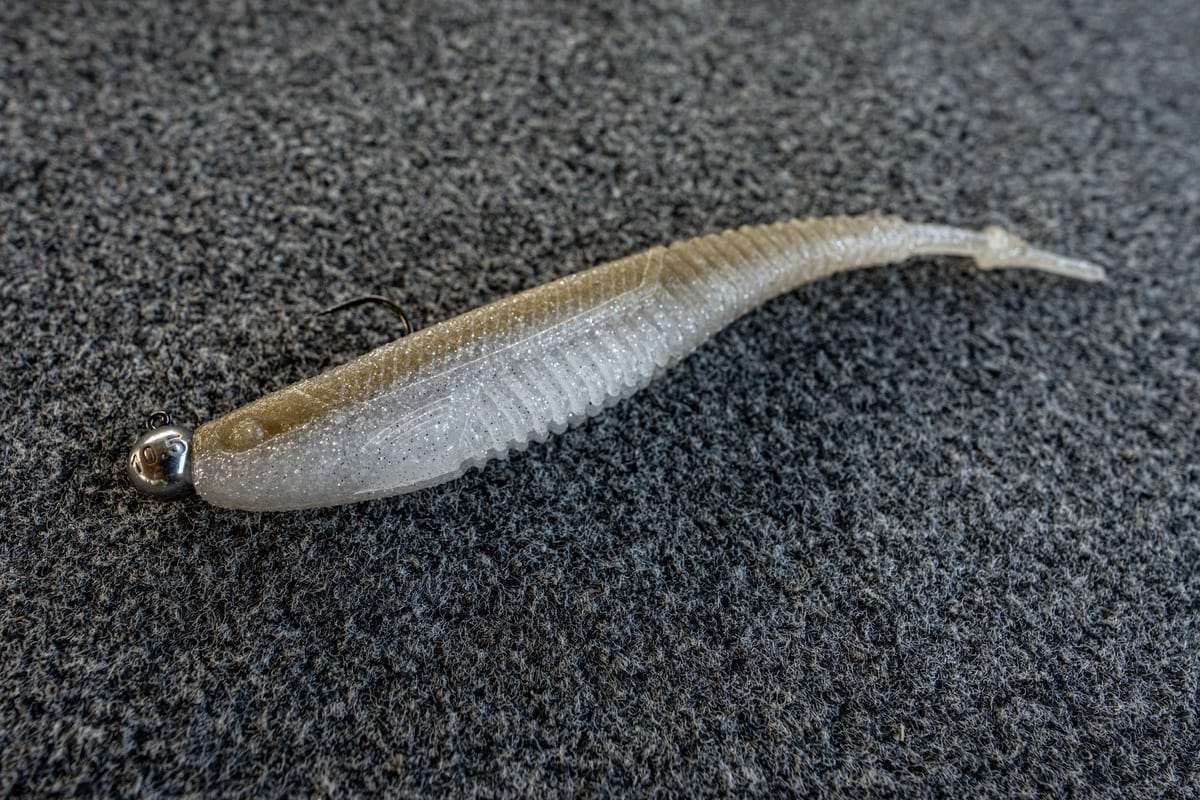
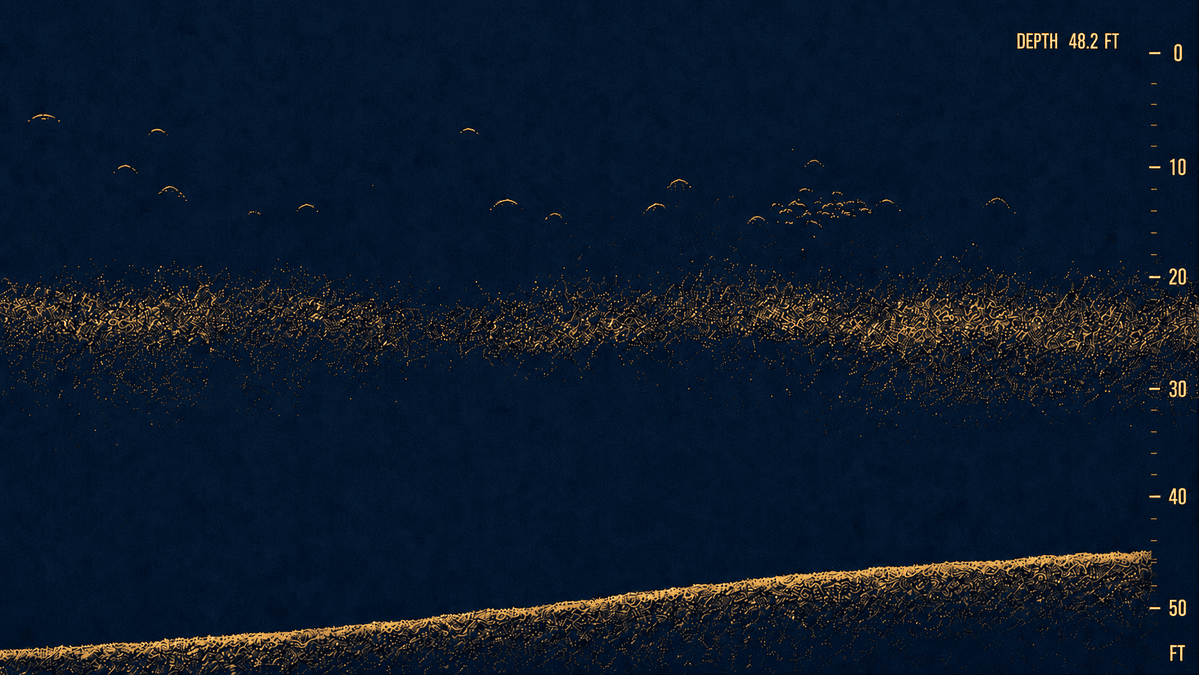
With lake surfaces cooling off, new populations of young-of-the-year shad begin roaming open water in tight balls. These schools of 2- to 3-inch shad might be found anywhere in the water column, from the bottom to the surface, depending on turnover, current, etc. Anytime the bait gets nomadic, nothing beats the dynamic duo of forward-facing sonar with a jighead minnow for chasing bass around in the abyss.
Topwater Lures for Schooling Bass
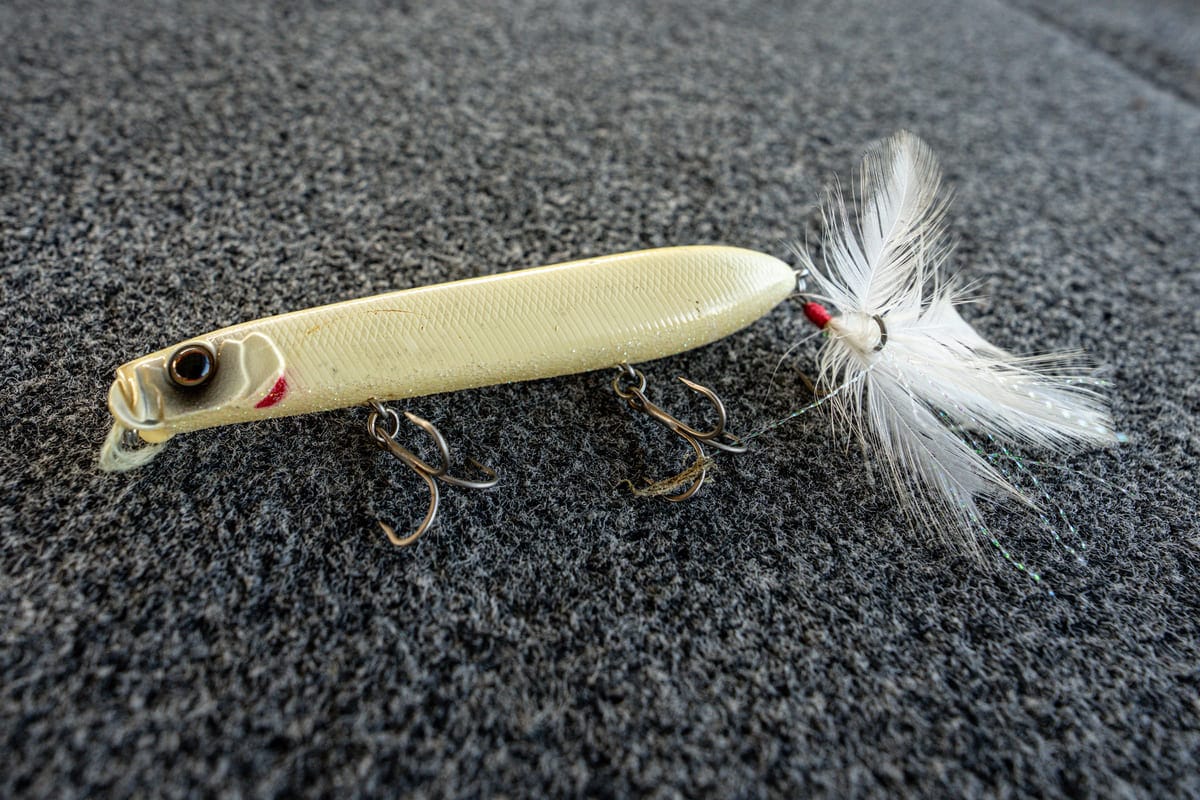
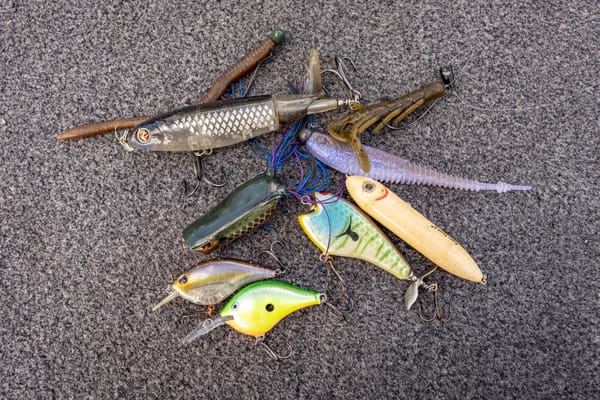
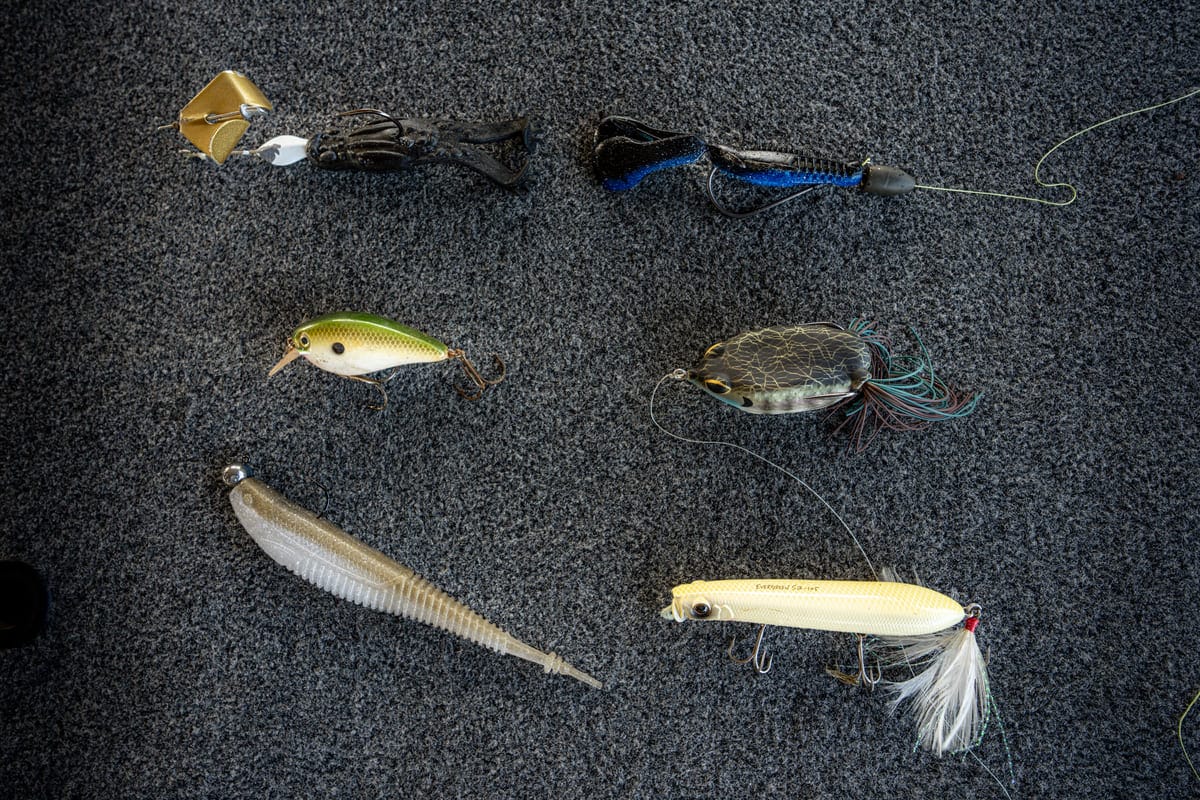
If the bait pods rise to the surface and create a schooling situation, topwaters become a big player. When bass are keyed in on smaller shad, clogging 5-inch topwaters over their heads is a hard sell. Instead, downsizing topwaters to subtler offerings to match the shad is key. Smaller walking baits like a Berkley J Walker 100, Rapala Skitter Walk 08, Heddon Zara Puppy, or Super Spook Boyo are good examples. To throw these smaller topwaters, spinning gear or smaller baitcasters like the Bait Finesse System combos might be needed.
Buzzbaits for Shallow-Water Fishing
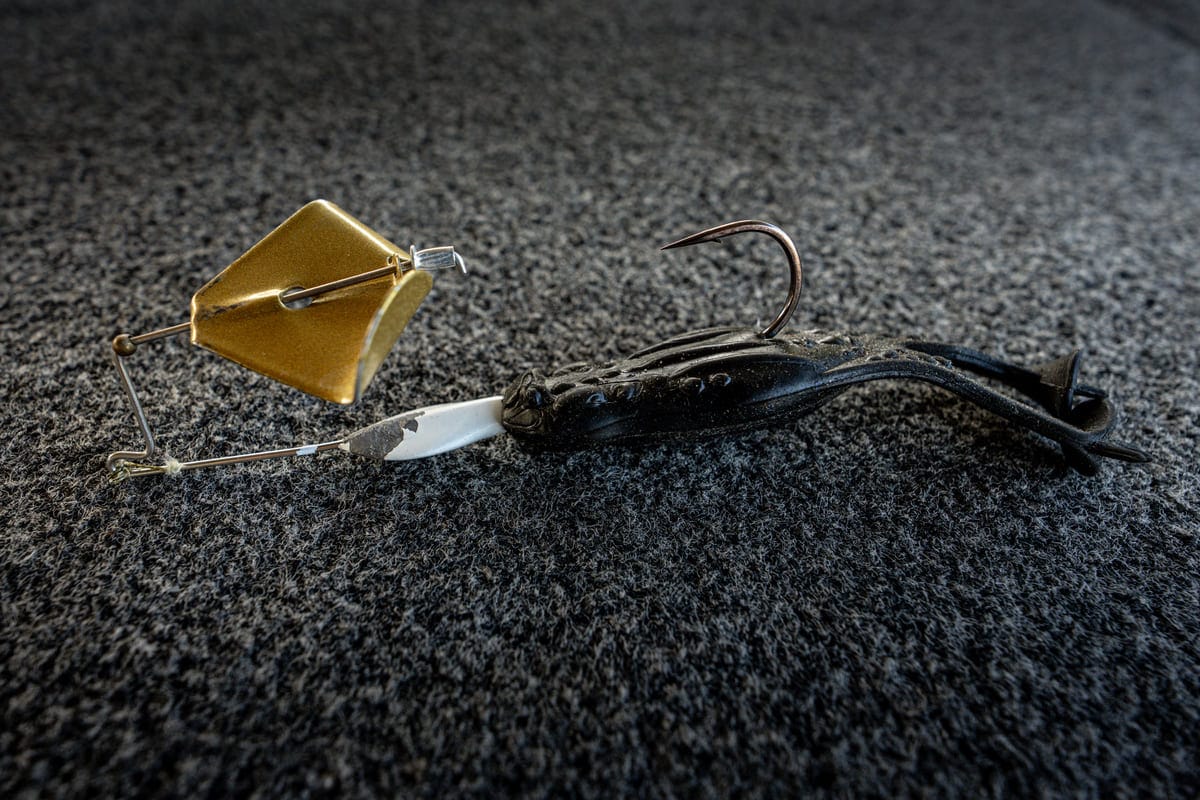
As surface temperatures cool, the small shad will move up into skinny water on flats and into the back of creeks. This is when covering water with small buzzbaits or the little Whopper Plopper 75 is a lot of fun. Nichols, War Eagle, Cavitron, Greenfish, or Accent all make buzzbaits in a smaller ¼-ounce size. And if you really want to go small, consider Strike King’s Mini Pro Buzz or Booyah’s Pond Magic Buzzbait, both in 1/8-ounce sizes.
Squarebill Crankbaits for Shallow Cover
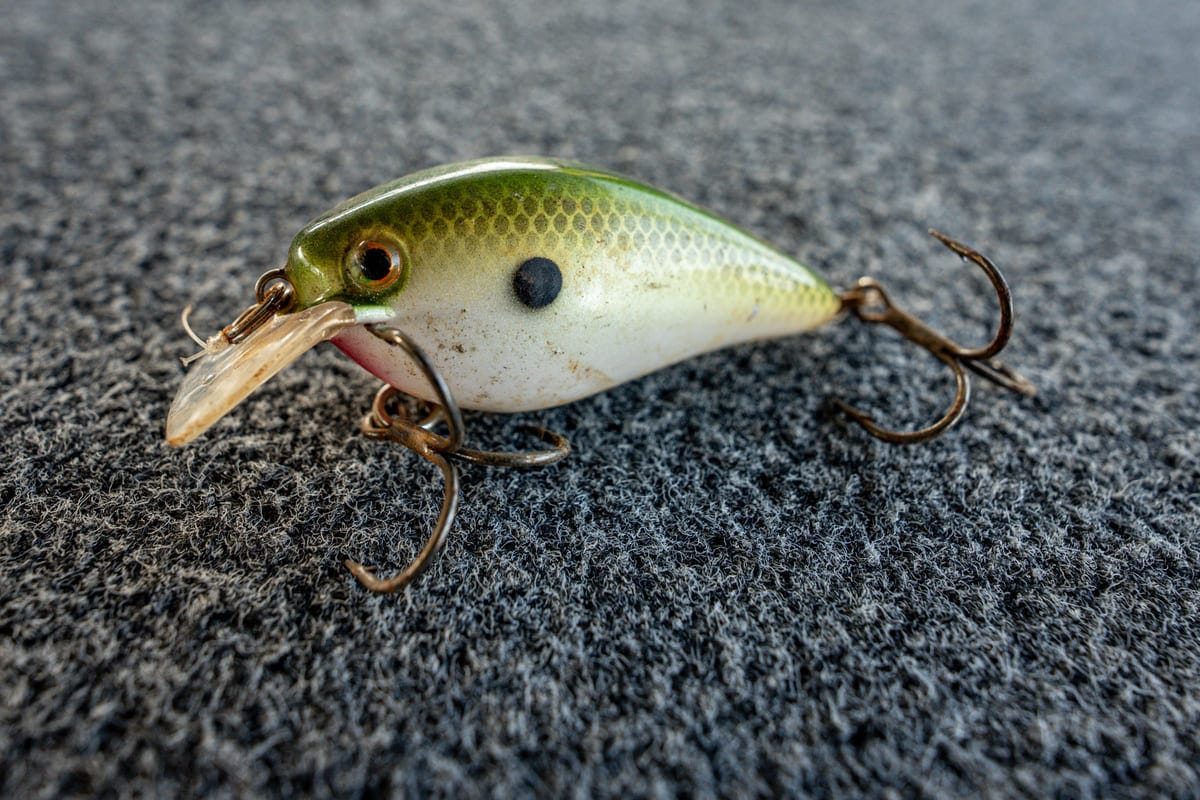
When the small shad moves up shallow, they will often orient around shallow, hard cover for protection. Isolated wood objects like stumps, laydowns, brush piles, and dock pilings are particularly good to target. This is when a squarebill really shines. The standards are Lucky Craft’s 1.5 and Strike King’s KVD 1.5. Some different twists on the small, squarebill platform are the 6th Sense Crush Mini 25X, River2Sea Biggie Smalls, Berkley Frittside 5 Jr., Rapala’s BX Brat, and Ott’s Garage Tiny 4.
Whether it’s small topwaters or compact squarebills, shad colors apply.
Grass lakes like Guntersville, Nickajack, and Santee-Cooper (Marion) have different types of transitions going on in the fall. Instead of thermoclines breaking down and turnovers, these lakes have topped-out grass with falling water levels.
This creates a situation that favors bass anglers because as the water gets lower, reading the topped-out grass becomes easier. Hard edges, soft spots, thicker crowns, ditches, and depressions are all more identifiable, making lure presentations to higher-percentage areas more efficient.
Frogs and Punching Rigs for Grass Fishing
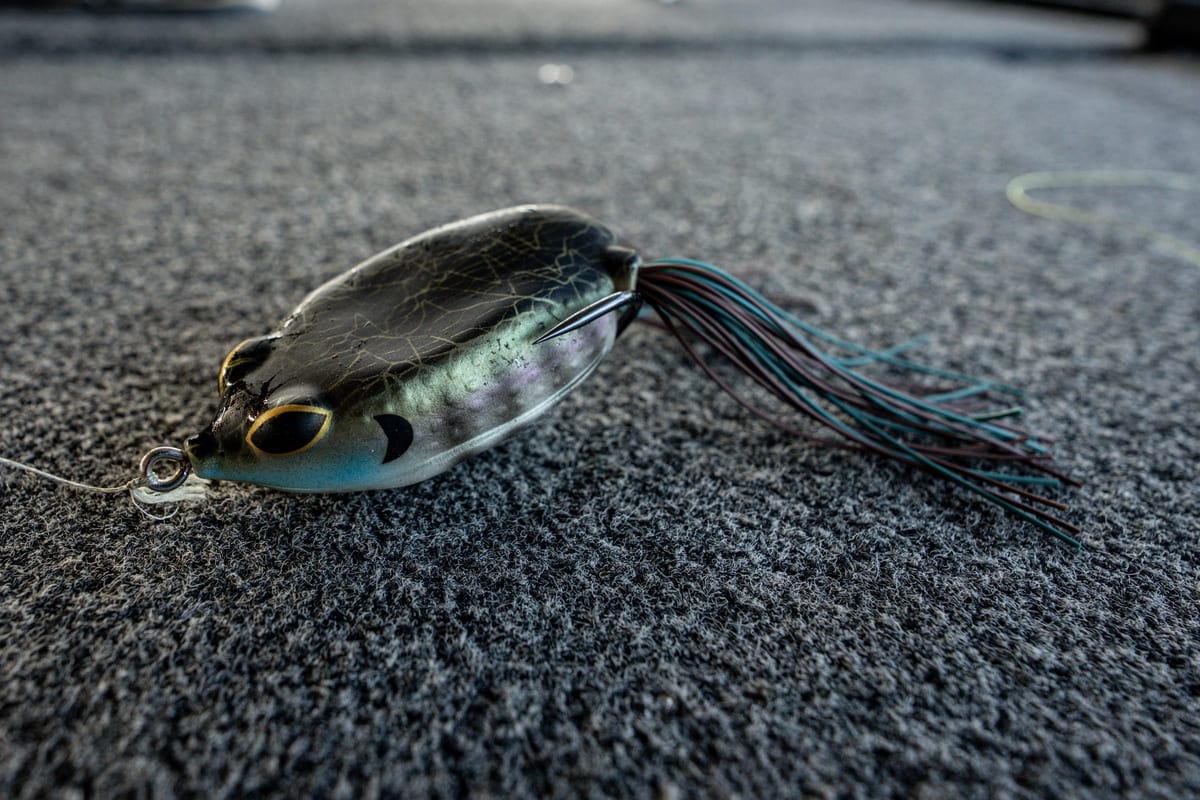
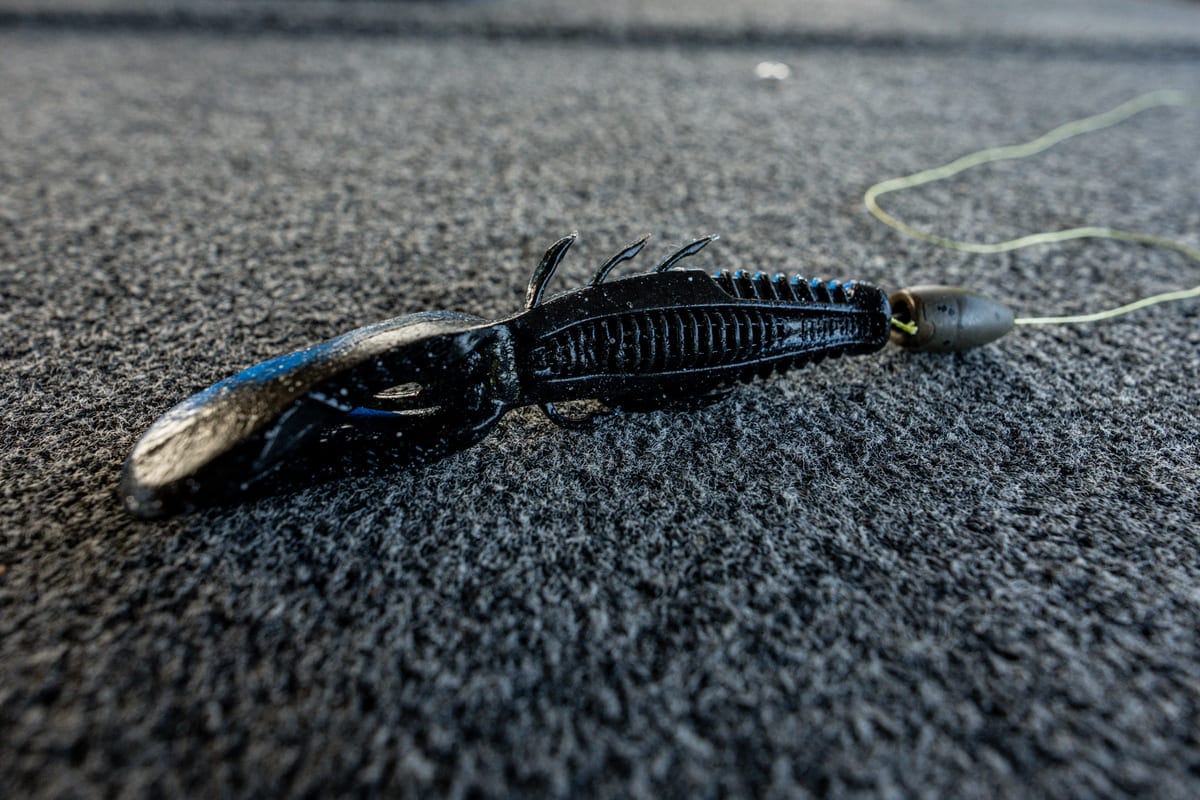
Two standouts in this situation are hollow-bodied frogs and a punching rig with a beaver-style bait. With the water down, target places that have duckweed, bright green algae (a.k.a. cheese), big soft spots, or voids in the topped-out grass. You’re essentially looking for places that are hollow under the mat.
The frog is the best tool for finding these soft, hollow spots. The frog will sit a little lower on the less dense areas.
The punching rig is a great follow-up bait for uncommitted bumps or boils on the frog. Usually, anywhere you find one bass in these grass hollows, there will be more nearby. So, the punching rig also serves as a cleanup lure to needle the mats subtly.
Grass patterns tend to be more bream-oriented, as bream “pop” the insects resting on the slop. Frog colors of dark olive and green pumpkin highlighted in chartreuse, yellow, or orange give bass a better target to home in on.
September may feel a lot like August now, but by the end of the month, things will be a lot different.