Three Pros vs. Frozen Lake Guntersville

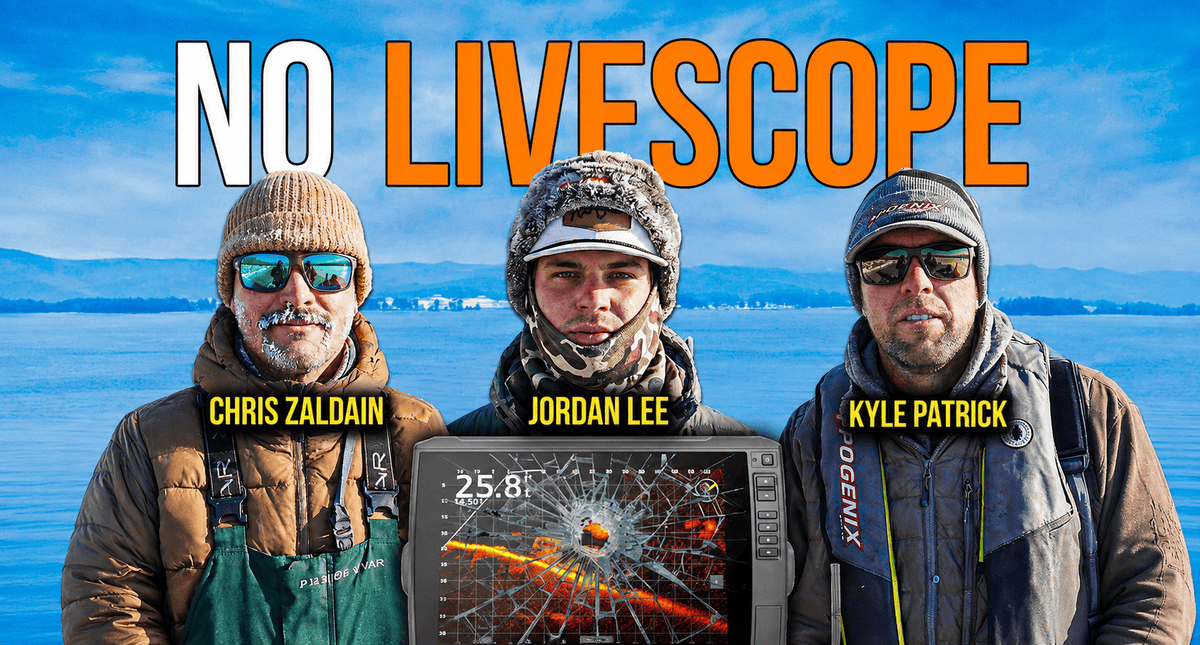
The 2026 Bassmaster Elite Series opened at Lake Guntersville with snow, ice in the creeks, an 8-degree wind chill and water temperatures around 39 to 42 degrees. It was also the first of four events without forward-facing sonar.
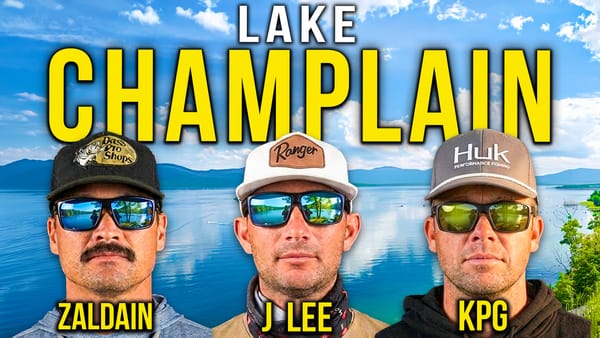
Episode 1 of Deep Dive On Tour follows Chris Zaldain, Kyle Patrick and Jordan Lee as they turn a few cold-water bites into a tournament plan. Zaldain uses water clarity to isolate a productive grass zone. Patrick divides the lake into manageable sections. Lee compares years of Guntersville experience with the lake’s changing conditions.
Each angler approaches practice differently, but the objective is the same: narrow down a large lake, understand why the bites are happening and find a pattern that can be repeated once the tournament begins.
Lessons From The Episode:
1. How Water Clarity Helps You Eliminate Unproductive Water
Water clarity can help anglers narrow down a large lake once they start getting bites. During practice at Lake Guntersville, Bassmaster Elite Series pro Chris Zaldain found bass in slightly stained water with approximately 1½ to 2½ feet of visibility. That gave him a target clarity range to look for elsewhere.
Zaldain used Deep Dive’s Water Clarity Map to find other parts of Guntersville with similar visibility. Instead of fishing every grass flat, he could focus on areas where the preferred clarity overlapped with the right depth and cover while skipping water that was significantly clearer or muddier.
2. How Lake Level and Current Affect Where Bass Position
Lake level and current reveal different information about a fishing area. Lake level shows how much water is covering shallow grass, flats and other cover. Generation releases show when water is moving through the lake and how that flow may affect fish positioning.
At Lake Guntersville, Bassmaster Elite Series pro Chris Zaldain saw that the water level was rising. That gave him confidence that bass could move into shallow grass, pad stems and other cover in two to three feet of water.
Generation releases also showed water moving through the lake. With water temperatures around 40 degrees, Zaldain believed bass would avoid fighting the strongest current near the main river channel. He focused on nearby grass bars, ditches and depressions where fish could remain close to moving water without holding directly in the strongest flow.
Reading lake level and current together helps anglers determine which shallow cover is accessible and where bass are most likely to position as conditions change.
3. Why Hollow-Belly Swimbaits Work Around Cold-Water Grass
A hollow-belly swimbait provides a natural baitfish profile that can be retrieved slowly while maintaining its action. Bassmaster Elite Series pro Chris Zaldain selected a swimbait with a tight swimming motion that matched the slower activity level of bass in water between 39 and 42 degrees.
Zaldain could work the swimbait across submerged grass, along grass lines and through the ditches running across shallow flats. Rigging it weedless allowed him to bring the bait through cover where cold-water bass were positioned.
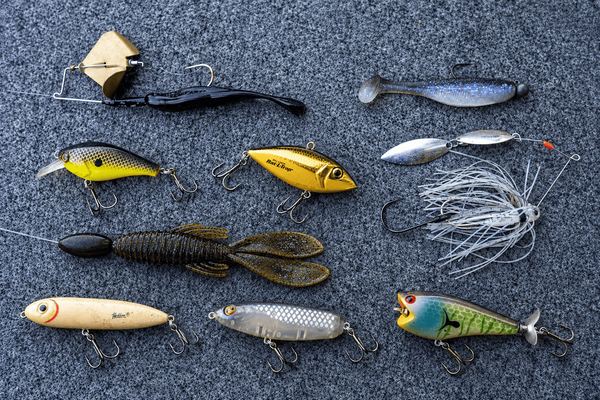
The swimbait also gave the fish a different look from the lipless crankbaits and bladed jigs commonly used around winter grass. Its restrained action allowed Zaldain to cover water without relying on a faster or more aggressive presentation.
4. How a Few Bites Help Reveal a Repeatable Pattern
A difficult practice does not always require a large number of bites. A few bites can provide valuable information when anglers study the conditions connected to each one.
Bassmaster Elite Series pro Jordan Lee brought years of experience at Lake Guntersville into the event, but previous success could only serve as a starting point. He still needed to compare his past knowledge with the lake’s current water temperature, clarity, current, grass and fish activity.
After each bite, anglers can compare the depth, cover, bottom contour, water clarity, current exposure, lure and retrieve. When multiple bites share several of those variables, the next step is to find another area with the same combination of conditions. Producing another bite in similar water helps confirm that the fish are following a repeatable pattern rather than holding on one isolated spot.
5. Why Breaking a Large Lake Into Sections Makes Practice More Efficient
Trying to sample an entire reservoir during a limited practice period can lead to scattered information and too much time spent running between areas. Bassmaster Elite Series pro Kyle Patrick made Lake Guntersville more manageable by dividing it into smaller sections and concentrating on one section at a time.
This approach allowed Patrick to compare water clarity, current, grass, depth and fish activity within a defined area. If a section produced useful clues, he could spend more time refining the pattern. If it did not, he could eliminate that part of the lake and move on with a clearer purpose.
Breaking a lake into sections is not about fishing every acre. It creates a more organized practice plan and helps anglers make decisions based on what they learn in each part of the lake.