Wind-Effect Water Color in the Fall

Autumn is underway across the U.S., and that means lakes, particularly reservoirs, are changing fast. As vibrant leaves float on the breeze, water temperatures are dropping, bait is migrating, thermoclines are collapsing, and drawdowns are exposing bare banks. In terms of fishing conditions, the lake you are fishing today will not be the same lake when you come back next week.
One condition that often gets lost in the fall fishing conversation is water color. It’s a sneaky variable that carries far more weight than most might think.
For most of the season, many reservoirs behave in a fairly normal fashion. They reach full pool in the spring and stay full during the height of summer. During that time, the lower end of the lake clears up due to stable weather and water volume. The main river, along with larger tributaries, brings water color into the backs of creeks with rainfall.
How Fall Drawdowns and Wind Create Stain Lines
However, once lakes begin the fall drawdown, large expanses of bare banks become exposed. This is especially true of highland impoundments where drawdowns of 6 feet or more occur, revealing banks of clay or silt. Now, throw in frontal-cycle winds that batter bare banks, islands, and shoals to create wind-driven mud slicks and stain lines. The result is what some refer to as wind-effect water color. Since the lower ends of lakes tend to be wide open, wind-effect water color often appears there first, marking the first noticeable change in water color in months. This is a function of fall that can suddenly ignite the bite.
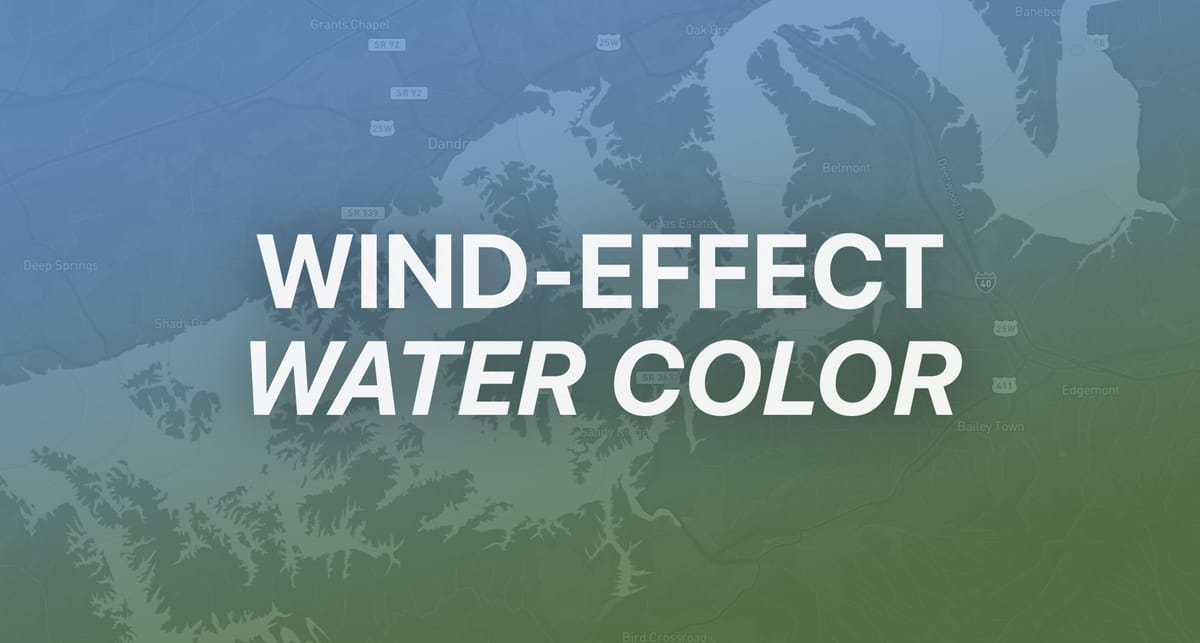
Some good examples of wind-effect water color happen on Douglas and Cherokee Lakes in Tennessee, where 20-feet-plus drawdowns occur in the fall. The banks on these lakes are sand, clay, and silt. Once the high winds from cold fronts begin pummeling the banks regularly in the lower basin, the water color changes drastically. Deep Dive’s Wind Effects map and Water Clarity map on Douglas and Cherokee combine perfectly to illustrate how big winds stir up the lower end in real time.
Using Wind-Effect Water Color to Catch Bass
When the lower ends of reservoirs become agitated like this, it provides an opportunity for anglers to take advantage of this water color change. This wind-effect water color is one of those sneaky pattern windows pros use in the fall months to catch fish in places that are normally considered to be “dead water.” Though Douglas and Cherokee are very extreme examples, this phenomenon happens on reservoirs all over the country where drawdowns occur. Keep an eye on your Deep Dive Water Clarity map after big winds blow through, and you will likely see at least some stain being pushed around on the lower end.
It does not take much of this wind-effect stain to make clear-water bass lose their IQ points. You don’t need a heavy stain, either. Simply finding just a slight “tint” or “milky” color to the normally gin-clear water is all it takes to allow power baits to come into play.
Lures for Wind-Effect Stain
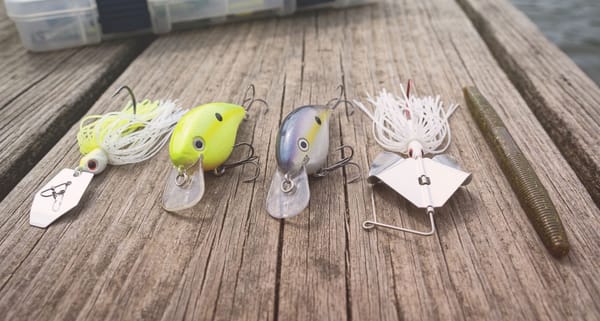
Start with suspending jerkbaits, which are great fall lures anyway. Try them over points in 5 to 10 feet of water and down the middle of short pockets. Just a slight bit of water color helps coax a fish into committing to a jerkbait. Also, burning a spinnerbait through visible stain lines is an old-school trick that still works this time of year. Balls of shad will often try to “hide” in those stain lines for protection.
If you find heavier stain, it might move fish right up on the bank, especially if there is any kind of rock or old brush just below the water line. This is when fun lures like squarebill crankbaits and even buzzbaits and ploppers can become players. It’s the time of year when pros will say they are “burning the bank” to cover water with moving lures. The part they don’t always mention is that they are usually looking for a particular water color when burning the bank.
How to Track and Replicate Water Color Patterns
If you start running wind-effect water color, pay very close attention to the exact water color where the bites occur. Each lake has a particular water color that allows the bass to be the most efficient at ambushing bait. Lock that water color in your brain and look for it in other places. If the Deep Dive Water Clarity map has been recently updated for your lake, take a look at the water color where the bites are coming from. Then use the map to quickly locate similar water tints on other parts of the lake.
Fall is in full effect. If you are looking to run a classic fall pattern as efficiently as possible, Deep Dive’s Wind Effects and Water Clarity maps will give you some great starting points for a wind-effect water color pattern.