The Secret Weapon You're Not Using: Why Lake Level is a Bass Fishing Game-Changer


Every serious bass angler has a pre-trip ritual. We check the weather, study our maps, and tie on a few confidence baits. But there's one critical piece of the puzzle that many anglers overlook, simply because it’s always been a pain to find: the lake level.
Is the water coming up, going down, or stable? The answer to that simple question can be the difference between a frustrating day on the water and the fishing trip of a lifetime. The movement of water, or lack thereof, is a primary factor that dictates where bass will be and how they will behave.
The Two Scenarios: Rising vs. Falling Water
Understanding how bass react to changing water levels is fundamental. Think of it as the entire world for a bass changing shape.
When the Water is Rising:
A rising lake is like opening up a new restaurant next door. As the water creeps up the bank, it floods new ground—bushes, grass, laydowns, and shoreline clutter that haven't been underwater in weeks, months, or even years. This new territory is an immediate buffet for baitfish, which move in to feast on insects and other newly available food.
And where the baitfish go, the bass are sure to follow.
During a period of rising water, bass will push shallow, often into just inches of water, to take advantage of these new feeding opportunities. They become aggressive and can be found in predictable, newly flooded cover. This is when techniques like flipping bushes, casting spinnerbaits around flooded grass, and throwing a topwater frog over newly submerged mats can be incredibly effective.
When the Water is Falling:
Conversely, when the water level is dropping, it's like an eviction notice for bass. The shallow, comfortable cover they were using is now high and dry. This forces them to retreat.
But they don't just swim out to the middle of the lake. Bass will pull back to the first available piece of "safe" cover or structure. This could be the first drop-off, the edge of a creek channel, a nearby dock piling, or the first deep brush pile outside of a spawning flat. A falling lake level concentrates fish into predictable areas, making them easier to target if you know where to look.
The Trend is Everything
Here’s the secret that top-level anglers understand: it’s not just the current lake level that matters. It’s the trend over the last several days that tells the real story.
A single data point is a snapshot. A trend is the entire movie. Has the lake been slowly rising for a week? The fish are likely to be established and feeding confidently in their new shallow homes. Did the lake just start dropping yesterday after a long stable period? The fish might be confused and repositioning, making for a tougher bite.
Knowing the trend tells you how fish have been repositioning over time. For a tournament angler, this is gold. If you see the water has been steadily falling for three days, you can confidently start your search on those first deep breaks, knowing the fish have been pushed there and have had time to settle in.
The Old Way vs. The Deep Dive Way
So, why doesn't every angler track this? Because, until now, it’s been a frustrating scavenger hunt.
You’d have to search for obscure, badly designed government websites from agencies like the Army Corps of Engineers or the USGS. Each one is different, clunky, and hard to navigate. Finding the right gauge for your specific lake and then trying to interpret the raw data tables is enough to make you give up and just go fishing blind.
This is where the Deep Dive app changes the game.
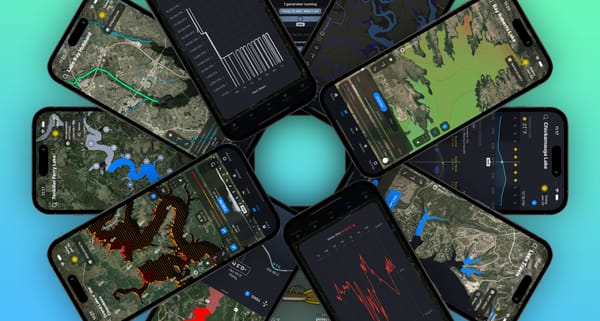
We do the hard work for you. We poll these government APIs for you and present the information in a clean, simple, and powerful way. Inside the Deep Dive app, you can instantly see the lake level trend for the past 7 days on over 500 lakes across the country.
No more searching. No more clunky websites. Just a clear, easy-to-read graph that shows you exactly what the water has been doing. This allows you to spend less time on a frustrating data search and more time dialing in the winning pattern. By combining this crucial lake level data with our other advanced features like Water Clarity maps, Wind Effects, and our revolutionary Tournament Patterns, you’re not just guessing anymore—you’re making data-driven decisions.
Stop ignoring one of the most powerful forces in bass fishing. Make checking the lake level trend a core part of your fishing strategy.