The 24-Hour Rule: Why Yesterday's Wind Matters More Than Today's
You pull up to the boat ramp on a dead-calm morning. The water looks like glass, and most anglers are already writing off the day as a tough bite. But what if I told you that yesterday's 20 mph winds might have just set you up for one of the best fishing days of the summer?
Welcome to the 24-Hour Rule – one of the most overlooked concepts in bass fishing, and exactly why Deep Dive shows you two full days of wind history alongside today's conditions.
The Science Behind the Feeding Chain
Here's what most anglers miss: bass don't immediately respond to wind. Instead, there's a biological chain reaction that takes 12 to 24 hours to fully develop, and it starts with something you can't even see.
Hour 0-6: The Stirring When sustained winds of 10+ mph hit a stretch of water, they create more than just surface chop. The wave action penetrates several feet down, stirring up the bottom and creating microscopic clouds of nutrients and plankton. At this stage, the fish aren't necessarily feeding yet – but the dinner table is being set.
Hour 6-12: The Baitfish Arrive As the plankton gets suspended in the water column, baitfish like shad, bluegill, and minnows move in to feed. They're drawn to these newly accessible food sources, especially along wind-blown banks and points where the stirring effect is strongest.
Hour 12-24: Game Time Now the bass show up. They're not just randomly cruising – they're following the food chain that wind created yesterday. This is when you get those magical mornings where calm water is absolutely loaded with feeding fish.
Why Most Apps Get This Wrong
Traditional weather apps show you current wind conditions, maybe a basic forecast. But they're missing the crucial piece: what happened yesterday creates today's opportunity.
Deep Dive's Wind Effects layer doesn't just show you current conditions – it gives you a complete 48-hour lookback so you can see exactly which areas got pounded by wind and when. This historical data is what separates good days from great days.
Reading Deep Dive's Wind History Like a Pro
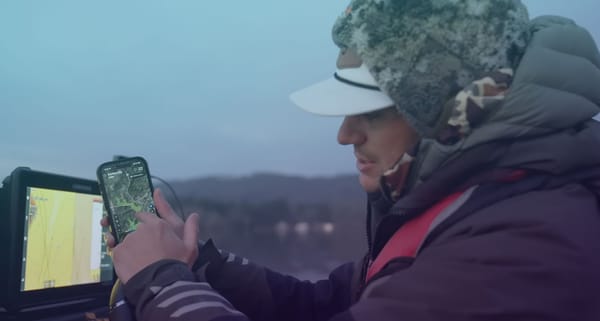
Open Deep Dive and navigate to the Wind Effects layer. Here's how to use the timeline to unlock yesterday's secrets:
Step 1: Scroll Back 24 Hours Use the timeline scrubber to go back to yesterday morning. Look for areas that sustained winds of 10+ mph for at least 6-8 hours. These show up as yellow to red wave indicators on the map.
Step 2: Follow the Wind Direction Pay attention to wind direction arrows. The magic happens where wind was blowing directly into structure – points, humps, secondary ridges, and creek channels. The wave impact dots around the shoreline show you exactly where this energy was focused.
Step 3: Check the Sustained Duration This is critical: short bursts of wind don't trigger the feeding chain. You need sustained wind over several hours. Scroll through the timeline and look for areas that stayed active (yellow/red indicators) for extended periods.
Step 4: Identify Today's Sweet Spots Now jump back to current conditions. Those areas that got hammered yesterday but are calm today? That's where you want to be at first light.
Advanced Strategies Using Wind History
The Transition Zone Play Look for areas where yesterday's wind meets today's calm water. These transition zones often hold the most active fish as they follow the baitfish from stirred-up areas into calmer water.
The Delayed Reaction Pattern If you see sustained wind that ended 12-18 hours ago, you might be hitting the sweet spot. The baitfish have moved in, but the bass are just starting to set up. This timing often produces the most aggressive bites.
The Recovery Setup Areas that got absolutely demolished by wind 24+ hours ago often "recover" with incredible fishing as the ecosystem restabilizes. Look for the heaviest red indicators from yesterday that are now showing green (calm) conditions.
Why This Changes Everything
Understanding the 24-Hour Rule transforms how you approach trip planning. Instead of just checking tomorrow's weather, you start thinking about what today's wind will create for tomorrow's fishing.
Bad weather days become scouting opportunities. Use Deep Dive's real-time Wind Effects to identify which areas are getting the most wave action right now. Then fish those spots for your next trip 12-24 hours later.
Tournament anglers especially benefit from this approach. While everyone else is making reactive decisions based on current conditions, you're fishing proactively based on what the ecosystem has been building toward.
The Bottom Line
Next time you're tempted to sleep in because the wind died overnight, remember the 24-Hour Rule. Yesterday's 20 mph chaos might have just created today's 20-fish morning.
Deep Dive's Wind Effects layer with historical data gives you this insight automatically. Instead of guessing where the food chain developed, you can see exactly which areas got the sustained wind action needed to trigger feeding activity.
The best part? While other anglers are still searching for current wind-blown banks, you'll already be positioned on yesterday's hotspots, watching your rod bend from the results of Mother Nature's 24-hour meal prep.