Spring Bass Fishing: How Water Levels Affect the Spawn

April is here – the month that brings spring in full swing across the country. When bass anglers see redbuds, dogwoods, and cherry trees in bloom, they know what that means: the time is right for bass to move up and spawn.
While increasing water temperatures are a good thing, Bassmaster Elite Series pro Jordan Lee keeps a closer eye on water levels to better assess the start of the spawn. According to Lee, just because the water temperature is right does not always mean that the spawn is guaranteed to happen.
“On lakes where water levels fluctuate from flood control or power generation, the water level can trump the water temperature for the start of the spawn,” Lee explains. “Over the years, I’ve learned that if bass are not comfortable with the water level, they will not move up to spawn. The water temperature can be right, but the fish are held back by water levels that keep going up and down. They need some stability in water level before they commit to spawning.”
Why Water Levels Are Key to the Spawn
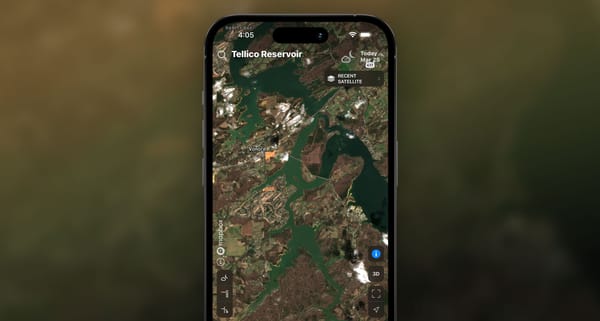
April is a time when most fluctuating reservoirs are rising back up to summer pool. As long as the water is steadily coming up, the bass become more comfortable. To keep tabs on water levels, Lee uses the Water Level feature on the Deep Dive app, which provides water levels for most major lakes across the country.
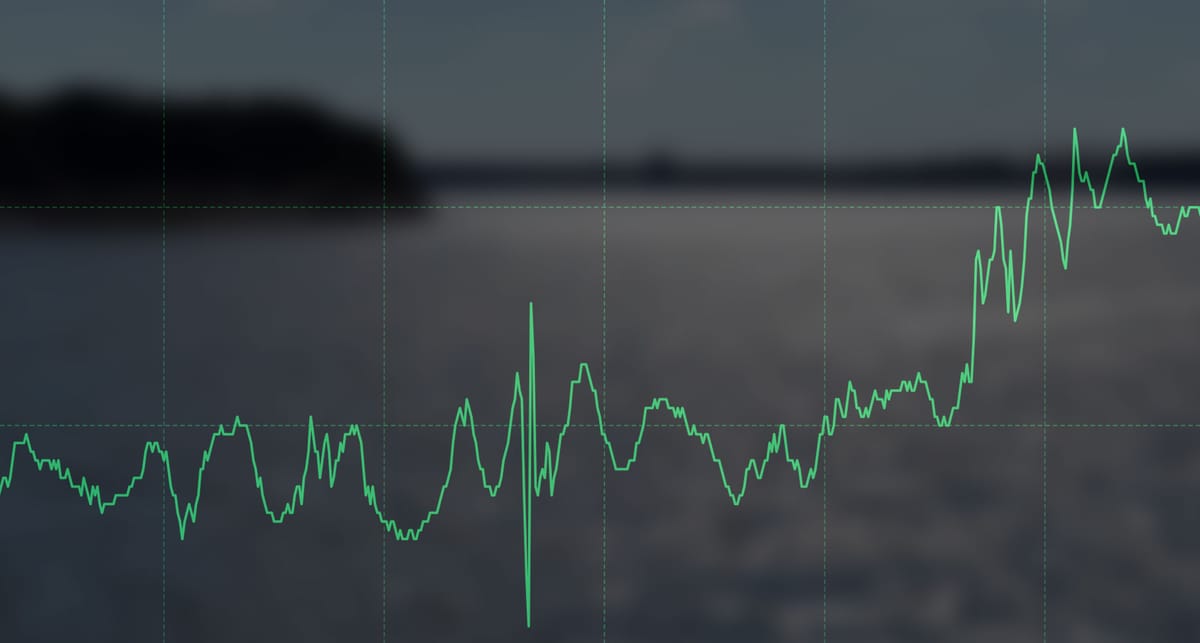
“During April, the first thing I look at on Deep Dive is the Lake Level graph,” he says. “The graph usually has the full pool elevation printed right at the top, so you know where the lake is relative to full pool.”
“The graph provides a detailed look at the lake level for the previous seven days to show the general lake level trend,” he continues. “There might be a lot of ups and downs of a few inches each day, but it’s the overall trend that’s important. Deep Dive automatically calculates the overall net rise and fall of the level for the last seven days. If a lake level has steadily climbed for the week by a foot or two, that’s a solid, steady rise that will cause fish to move up. If the level has been up and down all week, and there has been no lake level increase, chances are fish are going to stay out on the primary points and contours, waiting for water level conditions that suit them better.”
How Rising Water Influences Bass Behavior
Spring rains can bring fast rises in lakes – almost too fast. Water levels that suddenly rise a few feet within 24 hours grab Lee’s attention. Heavy rains can cause some reservoirs to rise as much as 5 to 10 feet in a 24-hour period. This can create a rare feeding opportunity.
“There is something about a fast rise in water that bass like,” Lee explains. “Especially when water floods flat, cleared areas like yards, fields, parks, or even parking lots. It’s like they want to get up on that newly flooded ground and eat.”
“But once they start pulling the lake back down hard, fish will retreat out to the old bank line again,” he adds. “As long as the water is going up or coming down fast, I don’t think spawning is on their mind. In my opinion, the water needs to stabilize before they feel safe making beds.”
Best Lures for Rising Water and Pre-Spawn Bass
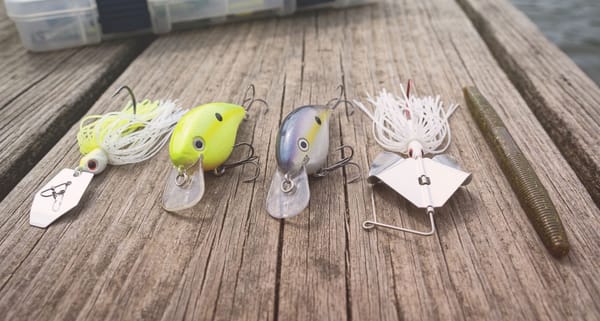
When rising water does finally usher fish to the bank, they are usually aggressive. As they transition into a spawning phase, they relate to cover and become more defensive of their territory. As a result, the first lures Lee turns to for rising water are a squarebill, Chatterbait, buzzbait, and a jig. These are traditional power fishing baits that work well in the adjustment window as bass move in and become familiar with the terrain before actually spawning.
“Once they move up, bass become a lot more cover-oriented,” Lee says. “The Chatterbait and squarebill are two fantastic cover-contact baits for triggering reaction bites from that cover.”
“The buzzbait is great for covering that newly flooded zone of water, especially on warming trends,” he adds. “A buzzbait has produced some of my biggest bass during this window.
“Finally, pitching a jig to isolated cover is a good barometer for getting an indication of when bass are actually setting up to spawn. When bites on the moving baits decrease, and the bites on the jig increase, that’s a sign the fish are actually beginning the spawning phase.”
As the spawn progresses, bass will become more protective of specific spots relative to the bed, so pinpointing cover with soft plastics will be a better choice. Pitching creature and beaver-style baits or wacky-rigging soft-plastic stick worms are better spawning options.
The springtime bass spawn is not just about water temperature; water level plays a key role, too. Let Deep Dive help you adapt faster to those water fluctuations.
Does water level affect bass spawning?
Yes. During the spring, bass are more likely to move up to spawn when water levels rise steadily. Fluctuating or unstable water levels can delay or prevent spawning, even if water temperature is ideal.
What are the best lures for pre-spawn bass?
Squarebills, Chatterbaits, buzzbaits, and jigs are top choices for pre-spawn bass during rising water in April. These baits trigger reaction bites as fish move toward cover.
Which baits work best for spawning bass?
Creature baits, beaver-style baits, and wacky-rigged soft-plastic stick worms work best for bass during the spring spawn. Pitching to specific spots is key, since spawning bass stay close to beds and cover.
Should I fish shallow or deep water in spring?
You can fish either, but pay attention to water levels. Fish shallow areas when water levels are steadily rising, as bass move up toward cover. If water levels are unstable or declining, bass may stay in deeper zones.
How does rising water affect bass?
Spring rains can cause rapid water rises, which may trigger feeding activity. Bass will often move onto newly flooded areas to feed, but they won’t necessarily begin spawning until the water stabilizes.