Mastering the Fall Turnover: Your Guide to Bass Fishing's Most Challenging Transition


The fall turnover—two words that can make even experienced bass anglers groan. This annual phenomenon transforms productive lakes into seemingly barren waters overnight, leaving many fishermen scratching their heads. But understanding what's happening beneath the surface and knowing how to adapt can turn this challenging period into an opportunity. With Deep Dive's advanced data visualization tools, you'll have the intelligence you need to crack the code when other anglers are struggling.
Understanding the Fall Turnover
During summer, most lakes develop distinct temperature layers called thermoclines. Warm water sits on top (the epilimnion), cold water settles at the bottom (the hypolimnion), and a transition layer forms between them (the thermocline). This stratification creates predictable patterns where bass relate to specific depths and structures.
As fall arrives and surface temperatures cool, something dramatic happens. The surface water becomes denser than the water below, causing the entire water column to mix—or "turn over." This mixing process redistributes everything in the lake: oxygen levels, nutrients, decaying vegetation, and most importantly for anglers, the bass themselves.
Signs You're in the Turnover
Recognizing when turnover is happening is crucial for adjusting your approach. Look for these telltale signs:
Visual Indicators:
- Murky, coffee-colored water throughout the lake
- Debris and organic matter floating on the surface
- A distinct sulfur or "rotten egg" smell from decomposing vegetation
- Unusually uniform water temperature from surface to bottom
Fishing Indicators:
- Bass scattered at various depths instead of relating to specific structure
- Significantly decreased bite rates in your usual spots
- Fish appearing lethargic or short-striking baits
- Baitfish scattered throughout the water column
Why Turnover Makes Fishing Tough
The turnover disrupts everything bass have grown accustomed to during summer months. Oxygen levels become inconsistent, forcing fish to constantly relocate. The sudden influx of nutrients and decomposing matter can temporarily reduce water quality. Bass become disoriented as their environment changes rapidly, making them less aggressive and harder to pattern.
Most importantly, turnover doesn't happen uniformly across a lake. Different areas turn at different rates, creating a patchwork of conditions that can change daily. This is where Deep Dive's advanced mapping features become your secret weapon.
Your Turnover Game Plan with Deep Dive
1. Find the Clearest Water
During turnover, water clarity becomes your number one factor for success. Bass will gravitate toward the cleanest, most oxygenated water they can find.
Deep Dive Strategy: Use our Water Clarity layer to identify pockets of cleaner water. Check the 30-day history to track how clarity has changed and predict which areas might stabilize first. Focus on areas showing consistent or improving clarity over several days. Use the filter tool to identify all areas matching your most productive water clarity, saving hours of search time.
2. Monitor Water Movement
Moving water brings oxygen and helps flush out the "bad" water created by turnover. Areas with current or wind-driven water movement often hold more active fish.
Deep Dive Strategy: Check our Streamflow map to locate areas with consistent water movement. Even small drains shown on our inflow maps can create enough current to attract bass during turnover. If your reservoir regularly releases water for power generation switch to view our Current Flow feature to time your fishing when discharge rates increase, as this often triggers feeding windows. Cross-referencing these two data sources helps you identify the most promising areas with water movement.
3. Follow the Wind
Wind is your friend during turnover. It oxygenates water and can push cleaner water (and baitfish) into specific areas.
Deep Dive Strategy: Our Wind Effects visualization shows you exactly where waves are hitting and how they've accumulated over the past 48 hours. Look for areas where sustained winds have been pushing for 12-24 hours—these wind-blown points and banks often concentrate both baitfish and bass. The impact dots around the shoreline show you precisely where wave action is strongest, helping you identify the most productive stretches of bank.
4. Target Shallow Water
During turnover, shallow water often stabilizes first. The sun warms these areas during the day, and they're more affected by wind, both factors that help improve conditions faster than deep water.
Deep Dive Strategy: Use the Bait Picker with "shallow" selected as your preferred style. The algorithm will adjust recommendations based on current weather conditions and seasonal patterns. Pay special attention to shallow water strategies during the "Afternoon" time bucket when water temperatures peak.
5. Watch Lake Levels
Falling or rising water during turnover can concentrate fish in predictable areas or scatter them further.
Deep Dive Strategy: Monitor our Lake Level data daily. Falling water during turnover often pulls bass toward main lake areas and channel swings. Rising water might push them shallower into newly flooded cover. Look for stability—consistent levels for several days often coincide with improved fishing.
Bait Selection During Turnover
Turnover calls for versatility in your bait selection. Here's what consistently produces:
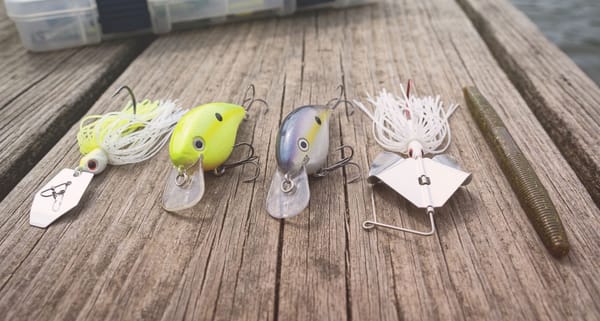
Search Baits: Start with moving baits that cover water—spinnerbaits, chatterbaits, and lipless crankbaits help you locate active fish in the scattered conditions.
Finesse Presentations: When you find fish, slow down. Shaky heads, drop shots, and Ned rigs excel when bass are lethargic from poor water conditions.
Daily Monitoring Strategy
Turnover conditions change daily, sometimes hourly. Here's your daily Deep Dive routine:
Morning Check:
- Review overnight Wind Effects to see where waves accumulated
- Check current Water Clarity map versus yesterday's
- Note Lake Level changes and Discharge rates
- Review the Solunar data for major and minor feeding windows
Pre-Launch Planning:
- Use Bait Picker to get condition-specific recommendations
- Check Tournament Patterns for your target areas
- Review the 7-day weather forecast for stability indicators
- Identify three distinct area types to sample
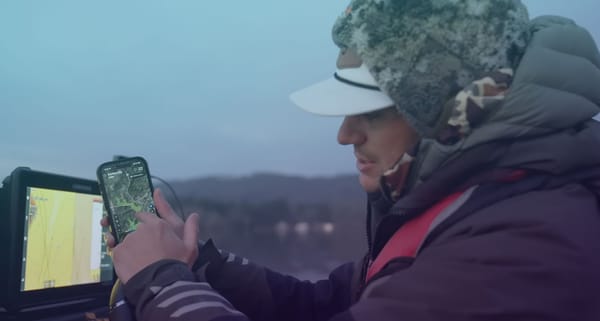
On-Water Adjustments: Monitor real-time conditions through the app and be ready to relocate when you notice changes in water color or temperature.
Post-Turnover Opportunities
The good news? Turnover doesn't last forever. Most lakes complete the process in 2-3 weeks, and fishing often explodes immediately after. Watch for these signs that turnover is ending:
- Water clarity improving and stabilizing
- Consistent water temperatures throughout the lake
- Baitfish schooling in predictable areas again
- Bass beginning to group up on traditional fall structure
When you see these signs, shift to traditional fall patterns: focus on backs of creeks where shad are concentrated, target main lake humps and points where fish suspend, and don't forget to check shallow flats on warm afternoons.
The Deep Dive Advantage
While other anglers are guessing during the turnover, you have access to data-driven intelligence that takes the mystery out of this challenging period. Our Water Clarity maps show you exactly where to start your search. Wind Effects visualization reveals which banks have been receiving the most oxygenating wave action. StreamFlow and Water Inflows data point you to areas with the water movement bass crave.
Remember, turnover is temporary, but the knowledge you gain from successfully fishing through it lasts forever. Use Deep Dive's suite of tools to understand what's happening in your lake, adapt your approach accordingly, and turn the fall turnover from a frustration into just another puzzle to solve.
Stay persistent, stay mobile, and most importantly, stay informed with Deep Dive. The fish are still there—you just need the right intelligence to find them.