Finding bass in Florida’s mysterious current flow

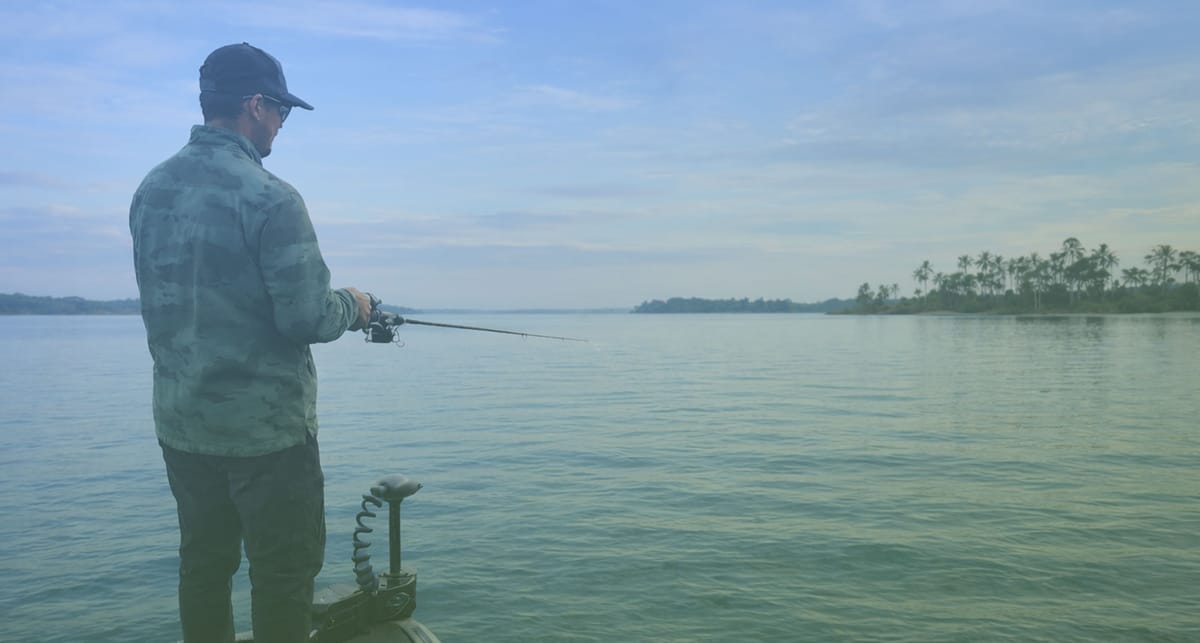
In the world of tournament bass fishing, the month of January is synonymous with Florida. For many years, a majority of the fishing tours and circuits held their season openers in Florida. During the late 1990s and early 2000s, professional anglers spent the month of January in the Sunshine State, dodging winter and kicking off the tournament season.
To this day, Florida remains a popular tournament destination for winter tournaments on iconic fisheries such as Lake Okeechobee, the Kissimmee Chain of Lakes, and the Harris Chain of Lakes. In addition, recreational bass anglers also enjoy escaping to the extreme southeast corner of the country in search of warm weather and big bass.
However, once anglers get to Florida, they are usually baffled by the vast sameness of the lakes. Large featureless “salad bowls” often leave Florida first-timers bewildered. Hundreds of miles of shallow water covered in vegetation can be daunting. When anglers make their first cast in Florida, the words they usually mutter are “Where do I even start?” Indeed, it can be intimidating.
There is no need to be overwhelmed. Whether you are a tournament angler, a recreational angler looking for a personal best, or a Florida rookie, Deep Dive has your back in finding Florida bass.
Florida lakes may look uniform, stagnant, and difficult to break down when compared to the dynamic currents of TVA lakes or the crisp contours of highland impoundments. However, the key to cracking the code on Florida’s flat, featureless lakes in the winter is current and hard bottom.
Believe it or not, Florida lakes have current. It’s usually a subtle, lazy current, but it plays a major role in Florida bass behavior. Since many Florida lakes are also silted in due to aggressive vegetation growth and years of eutrophication, clean bottom is at a premium. This is especially true during the spawn, which can run from as early as November into March and April. A key to finding firm bottom in these vast bowls is to find areas that are being swept clean by current.
A few of Florida’s major current inflows are easy to read. For instance, where Shingle Creek runs into Toho, or the Kissimmee River runs into Lake Kissimmee and Okeechobee, are obvious examples. But for the most part, water flow in Florida lakes is a different animal. Since so many Florida Lakes are basically flat, natural swamps connected by rivers and canals that form chains of lakes, the exact direction and velocity of subtle currents can be a mystery. So how do you find these subtle current inflows and outflows in a big, flat, oval bowl?
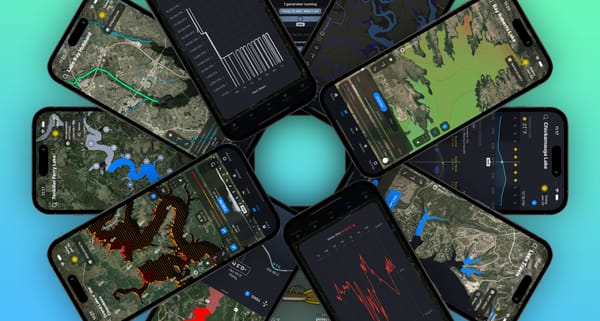
This is where Deep Dive steps in with their powerful Streamflow map that displays all consistent current sources flowing into and out of a lake. This is an incredible resource showing real-time water flow direction and velocity, revealing over a hundred sneaky inflows and outflows across dozens of Florida lakes. Knowing which way the overall flow moves through a lake is a big help in locating pinch points that are scoured clean by current.
When searching for current flow on Florida lakes, any kind of current counts, whether it’s obscure inflows or, better yet, sneaky outflow areas where current leaves a lake, sweeping the bottom clean on its way out. These types of areas are staging meccas for Florida bass during the pre-spawn and spawn. A constant flow delivers forage, keeps sandbars clean, and encourages the growth of shell bars.
As an example, in the 2025 Tackle Warehouse Invitational on the Kissimmee Chain of Lakes, the top five anglers were fishing areas influenced by current outflow, all of which are shown on the Deep Dive Streamflow tool. Ryan Armstrong won the event where Tiger Lake empties into Tiger Creek. Prop wash from boats passing in and out of Tiger, combined with current flowing out of the lake, kept this large area of sand and pads clean. During the event, a large wave of big bass moved up onto the clean bars and spawned.
However, the examples don’t end there. The Harris Chain of Lakes has at least ten inflows and outflows, revealing how many ways current flows through that chain of lakes. Over the years, numerous tournaments have been won in these areas of the Harris Chain. Lake Okeechobee has some sneaky inflow and outflow currents, too. In addition, the St. Johns River’s massive drainage basin, including Rodman, Crescent, and Lake George, has plenty of Streamflow locations.
When fishing inflows and outflows on the Streamflow map, search well beyond the flow arrow indicators. Use electronics to scan the bottom for hard, clean places up to several hundred yards from the indicators. Look around for large voids in the grass, pinch points, or boat lanes – anything in the area that might compress the current even more.
Having your Streamflow tool handy after big rain events in Florida is a plus, too. Flooding brings strong currents into lakes, blasting away silt and creating new, clean sandbars that are magnets for bass.
As a bonus, the Deep Dive Inflows map also shows water inflow points created by rainfall. After a heavy rain event, study the Inflows map to find places where intensive runoff might have scoured the bottom clean again.
Florida fisheries may look vast and stagnant on the surface. But beneath the surface, there are undercurrents at play. This winter, get to the bottom of Florida’s mysterious current flows with Deep Dive’s Streamflow and Inflow maps.