Five Lures for November

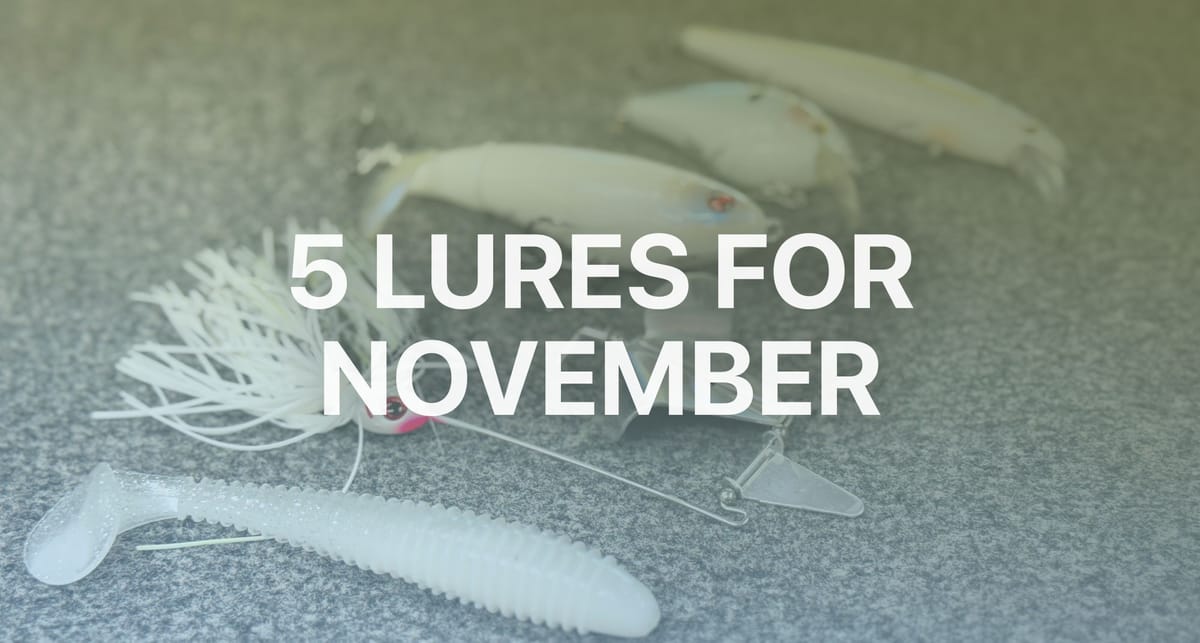
For much of the United States, November means quickly falling water temperatures. It’s a transition time between summer and winter. Bass have snapped out of their sluggish summer mood, and shad are on the move. With that, November is the time to become a little more shad-centric in your approach. No need to sit in one place and slow drag plastics like it’s summer. Everything is on the move, and you should be too. It’s time to pick up the pace with winding lures to move with the migration.
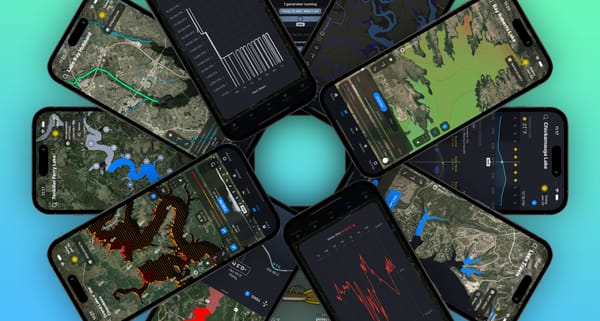
November is also a time to be more “shad-ish” with lure color. Think silvers, chromes, pearls, and sexy shads. The rule of thumb for shad colors is to stick with more opaque whites – like pearl and bone – when the water is heavily stained and the sky is overcast. If the water is clear, it’s sunny, and there is very little wind, the silvers, chromes, or translucent “phantom” colors with chrome inserts are a better choice. Keep a close eye on your Deep Dive Wind Effects map and the Water Clarity map to keep track of these variables and help fine-tune your lure-color selection.
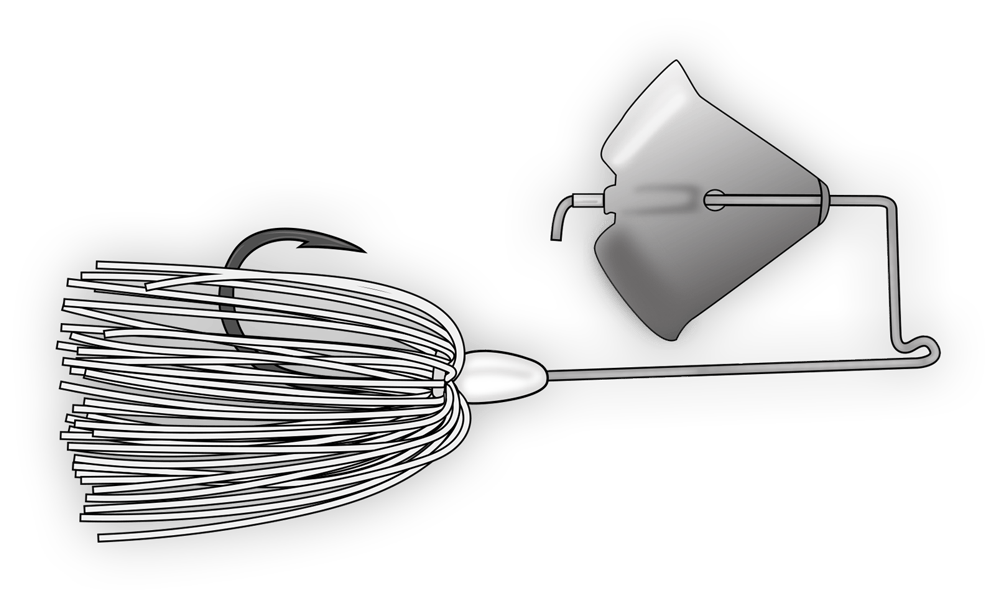
Kick off your November bass fishing with some fun topwater lures. While topwater walkers will certainly work in the fall, lean more towards moving baits like buzzbaits and plopper-style baits, such as the River2Sea Whopper Plopper or the Berkley Choppo. Remember, these lures can cover more water faster than walkers and poppers. If you get a few bites in an area with buzzers and choppers, then you can slow down with walkers.
The size of a topwater is something to be mindful of as well. If you’re fishing fertile impoundments that support a good population of gizzard shad, go with larger profile baits. Half-ounce buzzbaits with bigger blades and 4- to 5-inch ploppers will draw bigger bites. If fishing a deep, clear impoundment with a large population of little threadfin shad, then dropping down a size to a ¼-ounce “baby” buzzbait or a 3-to 4-inch plopper would be more suitable.
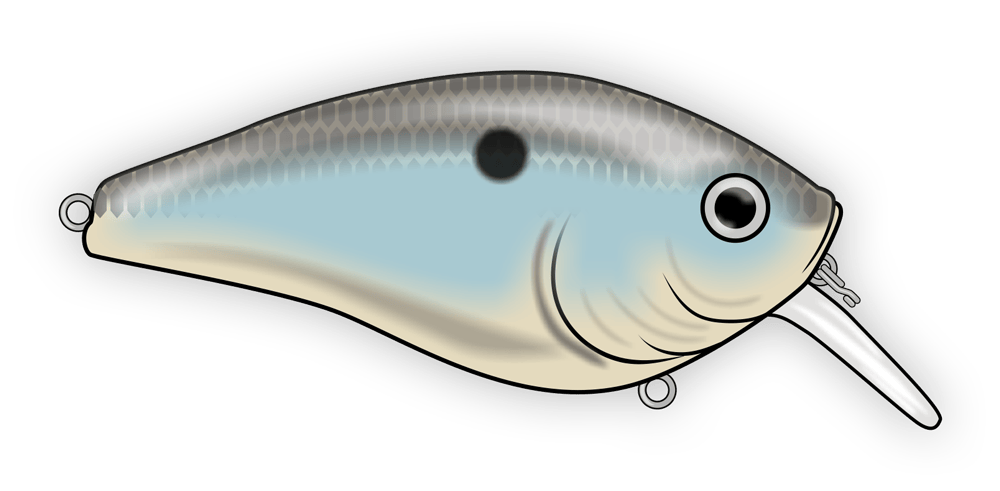
Crankbaits are classic shad imitators, and November is the time to have a few tied on. Let water color and conditions dictate your lure’s wobble. If you have stain, cloud cover, or wind, you can throw proven wobbling square-bill performers like Strike King’s KVD square bill 1.5 or 2.5, Sixth Sense’s Crush X-50, or Lucky Craft’s 1.5 on shallow bank cover in 2 to 6 feet of water. Other popular fall crankbaits include Rapala’s DT-4 and DT-6.
If the water is clear or conditions are sunnier with little wind, your crankbait choice should be a bit more subtle. Think tight wiggle rather than wobble. That means going to flat-side crankbaits like Rapala’s Ott’s Garage OG Slim line of wooden flat sides or the tried-and-true Shad Raps. Another consideration is Berkley’s Frittsides lineup.
No matter which shad imitating crankbaits you go with, it’s good to mix them up to keep fall bass honest. As fast as conditions change in the fall, they might crush square bills one day but shy off them and prefer the more subtle wiggle of a flat side the next day.
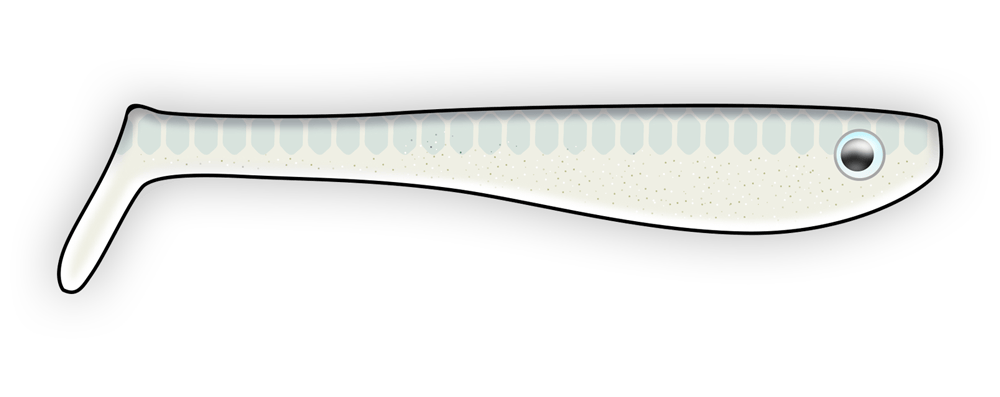
Another great shad imitator in the fall, especially on smallmouth lakes or mixed-species lakes, is a 3- to 4-inch paddle-tail or boot-tail swimbait. The gold standard for this type of boot-tail swimmer is the Keitech Swing Impact Fat rigged on a 3/16- to 3/8-ounce lead head. The size graduations (in inches) of 2.8, 3.3, 3.8, or 4.3 are good ones to start with when trying to match the shad size in your lake.
The Swing Impact’s perfect combination of a soft plastic boot tail and ribbed body set the bar for this class of swimmers when they hit the market in 2013. Dozens of these types of baits have flooded the bass fishing scene since. Most recognized plastics manufacturers in fishing offer a rendition of a boot-tail swimmer. Other popular versions include Strike King’s Rage Swimmer, Crush City’s The Mayor, and 6th Sense’s Devine.
These swimmers are a deadly tool to “scrub” flat points in 5 to 15 feet, especially on drawn-down lakes where you can read the bank composition. Use a steady, slow-roll retrieve to keep the boot tail thumping. The swimmer is also fantastic at drawing up suspended fish on deep floating docks, bridge pilings, or submerged timber in 20 to 40 feet.
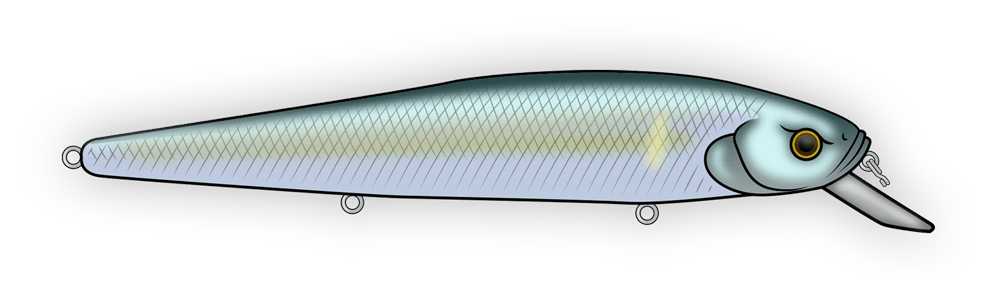
Suspending jerkbaits are another must-have lure for November. Some of the usual suspects for this category are the well-known Lucky Craft Pointer series, which includes the 78, 100, and 110, as well as Megabass’ Vision 110 lineup.
Jerkbaits check all of the shad-imitating boxes, but they are a little slower when it comes to covering water. The colder the water gets, the better jerkbaits become, making them the answer to major cold fronts in November. Try them over long points, along steep bluff walls, and down the middle of short pockets on the main lake. Making a jerkbait suspend or “hover” around or over brush on a falling lake is money in November.
Now for a departure from the straight shad imitators. During November, a great outlier lure to keep on the deck is some sort of punching bait on a flipping stick, especially if you fish grass lakes. Once water temperatures drop, bass – especially Florida strain bass – are drawn to having a roof over their heads. These “roofs” usually present as matted cover, whether it’s the last firm mats of vegetation from the summer, or wind-blown flotsam mats blown into the bank. This time of year, fallen leaves also start creating debris mats in rivers and current-driven reservoirs. Sometimes it only takes a debris mat the size of a steering wheel trapped in the fork of a laydown to hold a fish.
No matter what the mat is, having a ½- to 1-ounce tungsten weight pegged to your favorite creature or beaver-style bait is advisable. Sometimes it only takes punching through a few of these mini mats to get a couple of bigger bites that will push your limit to the next level.