Best Bass Lures for March

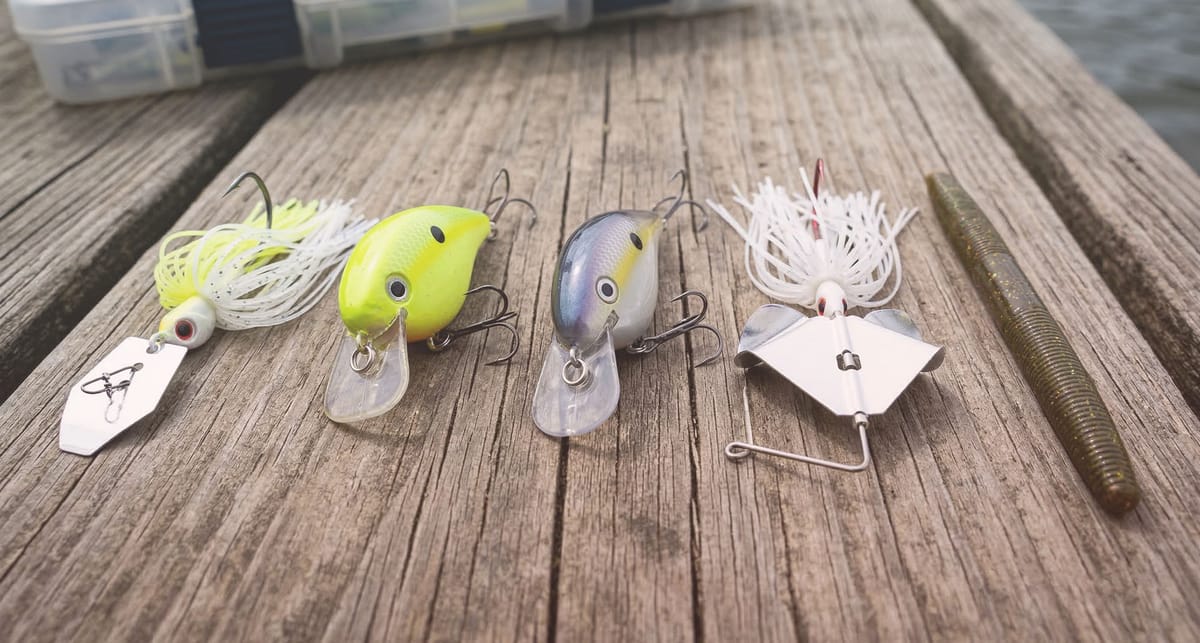
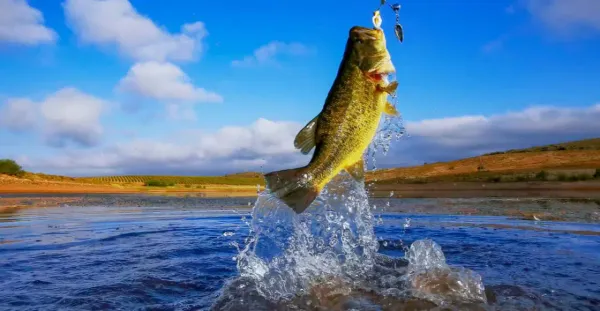
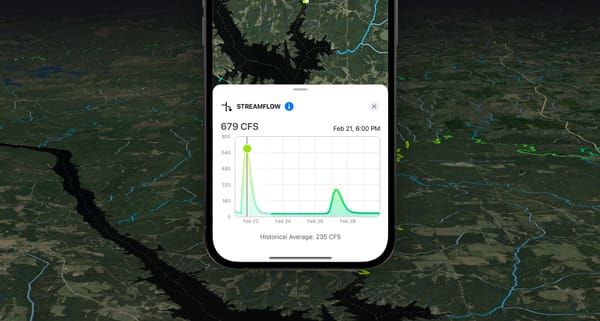
March has arrived, and everything is on the rise. The number of daylight minutes per day is rising. The water temperature is rising. Water levels in many flood-control lakes are rising. This all leads to the aggressiveness of bass also rising.
The main thing to keep in mind during March is that the power-fishing window is opening, especially across the southern half of the country. When water temperatures rise past the 50-degree mark and towards that magical 55-degree zone, more lures come into play. As bass emerge from the wintry depths and move towards the bank, their demeanor becomes more defensive due to the spawn. At this point, they exhibit a kind of reckless abandon, smashing anything that gets in their way.
Chatterbaits: Top Lure for Power Fishing
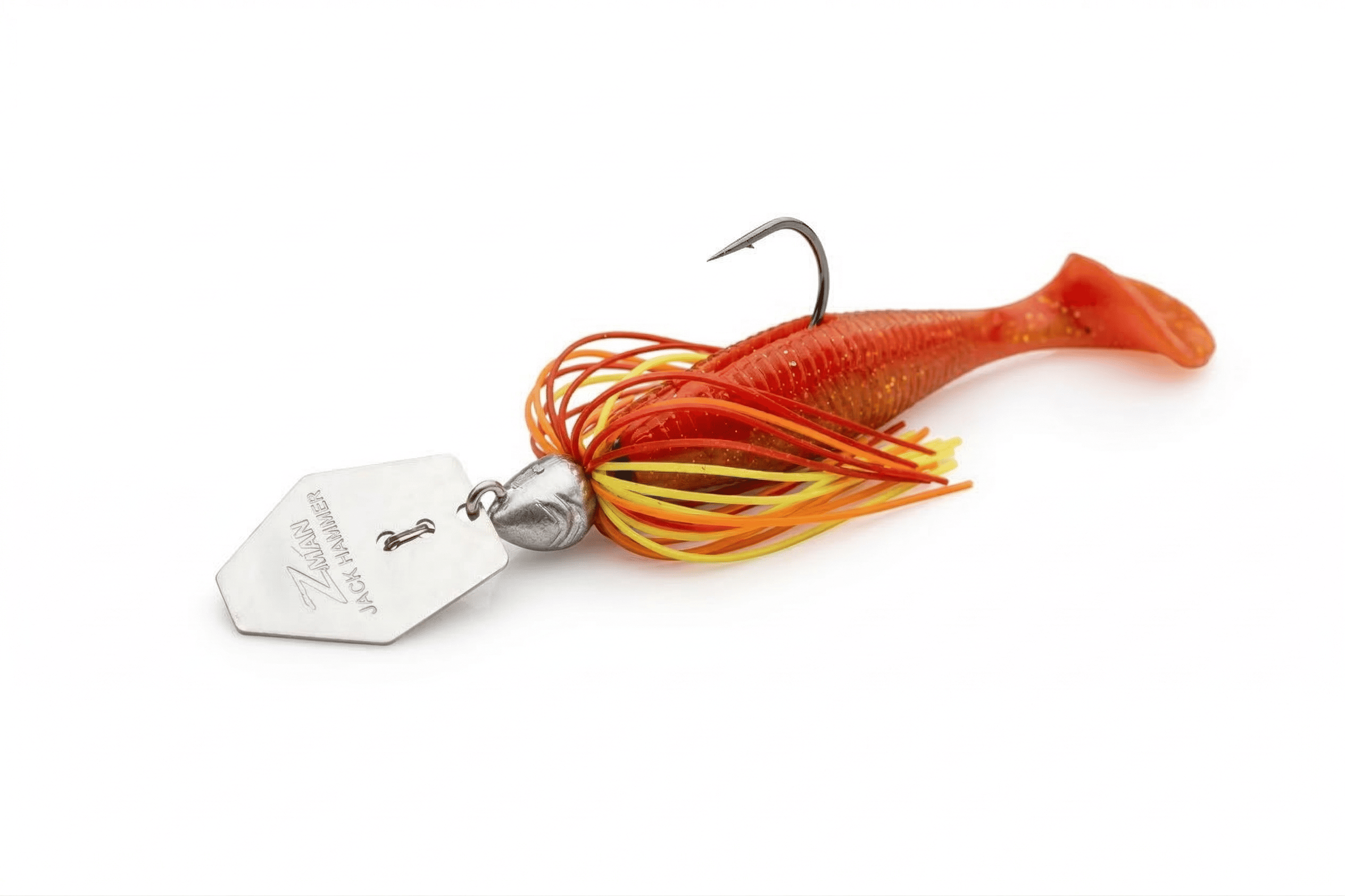
With that in mind, you might as well jump right into power-fishing mode with a Chatterbait. Over the years, the Chatterbait has arguably pushed aside the spinnerbait, the lipless rattler, and the squarebill crankbait to become the number one power-fishing lure for shallow waters in the springtime.
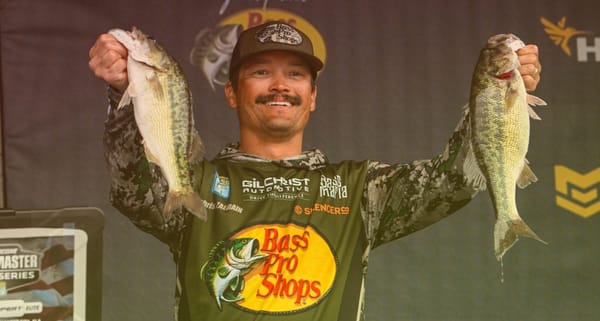
Some think that a Chatterbait is only a grass lure. Look no further than Takahiro Omori’s recent Bass Pro Tour win on Lake Hartwell to prove it’s an excellent lure on hard cover in highland impoundments as well. Omori won that event in mid-February in 50- to 55-degree water temperature, and that window is now opening across the lower half of the country.
The Z-Man Evergreen Jack Hammer is the go-to Chatterbait for many in the pro ranks. For trailers, the trend the last couple of springs has been to go big and gaudy.
Five-inch boot-tail trailers in vivid reds, bright oranges, and hot chartreuses have been the ticket in muddy to stained water.
Crankbaits: Shallow and Mid-Depth Bass
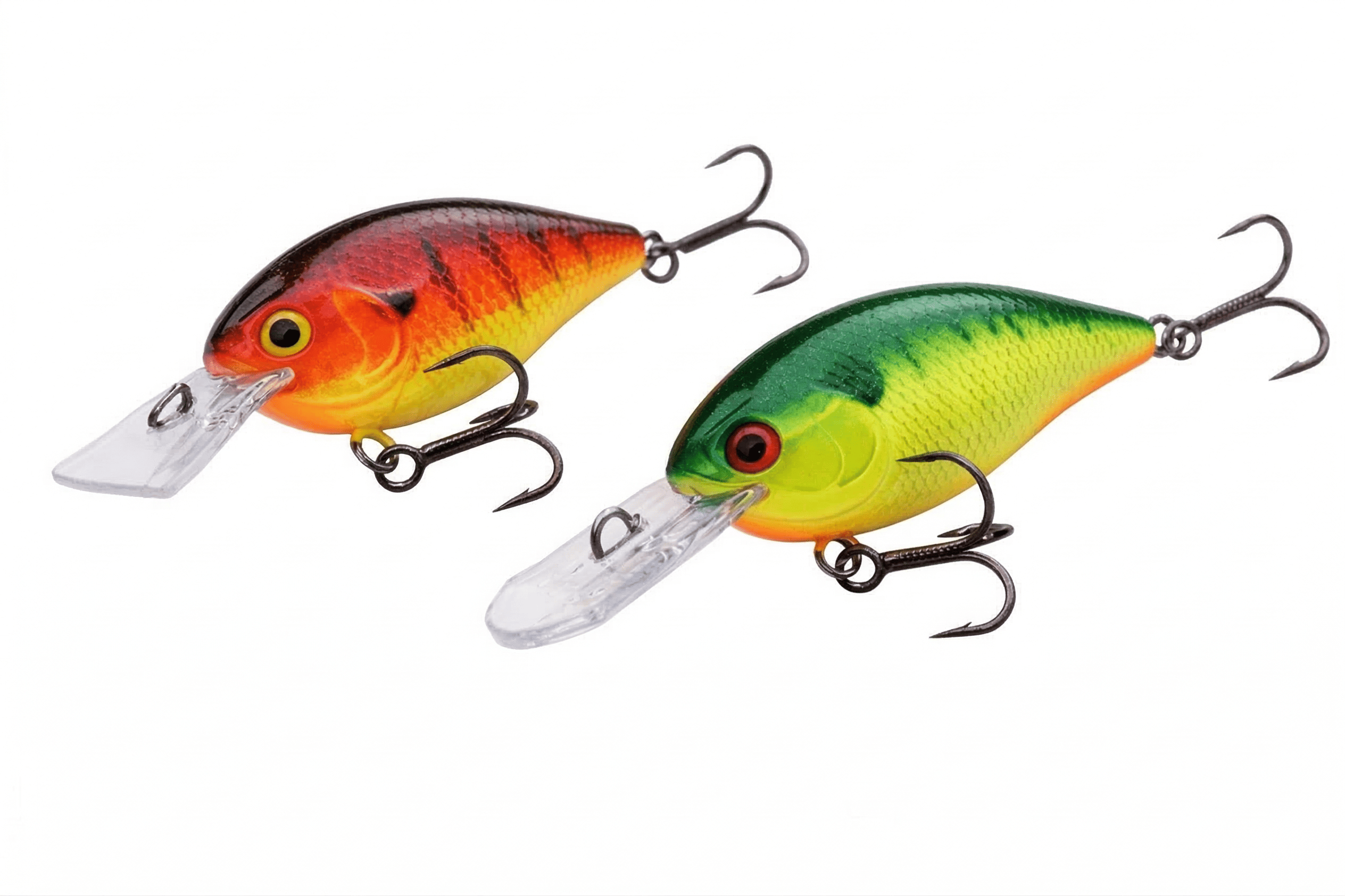
Next up on the power list for March are crankbaits. Again, bass are not picky right now, so match crankbaits to the types of water being fished.
Shallow Targets: If it’s flat, shallow, stained water in 5 feet or less with hard targets like rock, stumps, laydowns, and docks, the squarebill is a solid selection. Lucky Craft’s 1.5, Strike King’s KVD 1.5, Sixth Sense’s Crush X-50, Spro’s Hunter 65, Bill Lewis’ ATV 1.5, and Yo-Zuri’s 3DB Series 1.5 are just a few possibilities.
Steeper Banks: If you’re looking to crank steeper banks on clear, highland impoundments with mixed species of largemouth, spots and even smallmouth, then something that gets down faster to the 6- to 10-foot range might be more appropriate.
Choices abound there as well. The SPRO RK Crawler 55, Storm Wiggle Wart, Spro Little John MD, Rapala DT6 or DT8, and Berkley Frittside 9 are all capable of hunting a little deep along steeper banks and breaks. As is common with cold water in March, bright colors like reds, greens, and chartreuses provoke more attention in the prespawn.
Buzzbaits: Early Spring Topwater Action
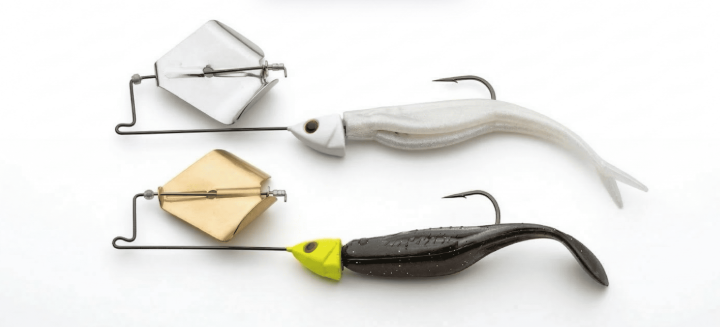
March is also the time to start dusting off topwaters, starting with buzzbaits. If 55-degree water temperature sounds too early to start bubbling the bank, it’s not, especially on those hard warming trends that bring a humid south breeze. As bass start to move up into newly flooded shallows with rising water, the conditions are right for a loud gurgler on the surface. Be the first one on your lake to buzz the banks, and you will be surprised at how early in the year bass will break the surface to crush a lure.
Buzzbaits come in every size and design imaginable, from clackers to bubblers to double-prop buzzers to skirtless “buzzing toads.” Some of the classic brands include Lunker Lure, Boogerman, War Eagle, Strike King, Crock-O-Gator, Buckeye, Megastrike and Nichols.
Stick Worms: Pre-Spawn and Spawning Bass Favorites
As the actual spawn progresses across a lake during March, bass become a lot more “wormy,” so to speak. Their palette seems to shift from fast-moving power baits to soft plastics that become a subtle annoyance in their strike zone.
Enter the soft-plastic stick bait or stick worm, the most versatile soft-plastic shape available. Whether it’s called a Senko, Ocho, Stik-O, Neko, Stinger, Dinger, Ace, General, Trick Stick, Chopstick, or just a “straight-tail worm,” it will catch fish in March.
Soft plastic stick baits are so versatile that they count as two or three different lures in one. Their window actually opens when bass begin “sunning” during pre-spawn, basically suspending in the upper water column around dock floats, cables, laydowns, or anything else parallel with the water’s surface.
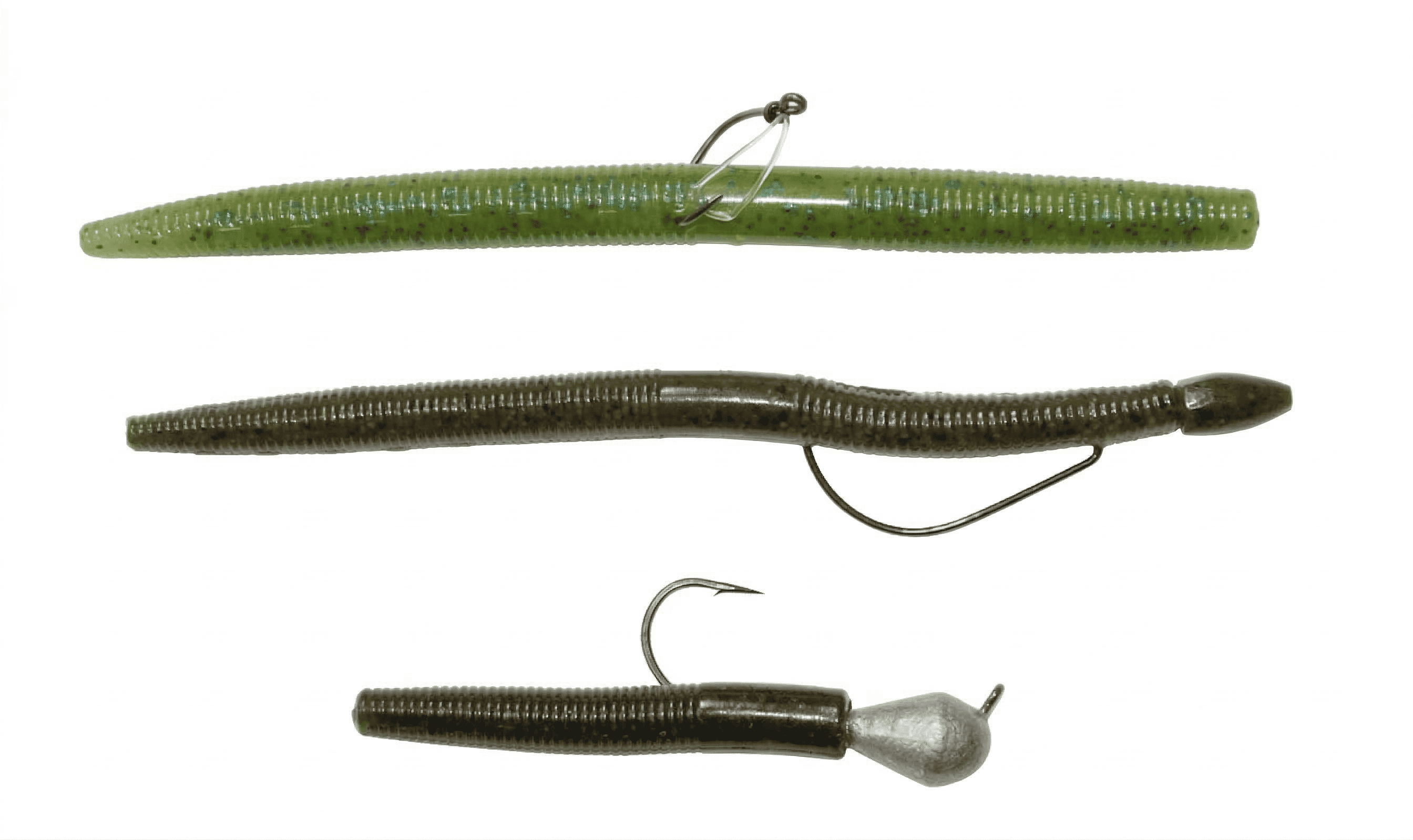
The Wacky Rig: Once the spawn begins, the weightless wacky rig is especially deadly. Tie it to an 8- or 10-pound test fluorocarbon leader and cast it anywhere bass are spawning. Choose color schemes that mimic an egg-stealing bream or perch: watermelon red, green pumpkin, pumpkin candy, or Mardi gras. Skip-cast it in bushes or behind the shallow side of docks. Flick it behind inside grass lines. If bass are using shallow cover to spawn, the wacky rig is a must-have.
The Neko Rig: If bass are spawning deeper in submerged timber, stumps and brush, turn the stick worm into a Neko rig by adding a small nail weight, giving it a faster fall rate. Even as the spawn turns to post-spawn with fry-guarders and bream beds, the wacky and Neko rigs are still strong players.
The Texas Rig: The stick worm can change personalities yet again by becoming a productive pitching bait as well. Tie a Texas rig to a flipping stick spooled with 15- to 20-pound-test fluorocarbon, add a beefier flipping hook, and peg a 3/16- or ¼-ounce sinker to the line. Pitch the stick worm into scattered vegetation, bushes, docks, or any other shallow cover. Colors such as Junebug, plum, and black/blue are staples.
The bite is rising, so power into March!